Ingredient comparison
Adenosine vs GHK-Cu: which one is right for your skin?
Same comparison whichever way you searched it: GHK-Cu vs Adenosine.
Short answer: Honestly, either one works. Choose by your skin type and what your routine already has.
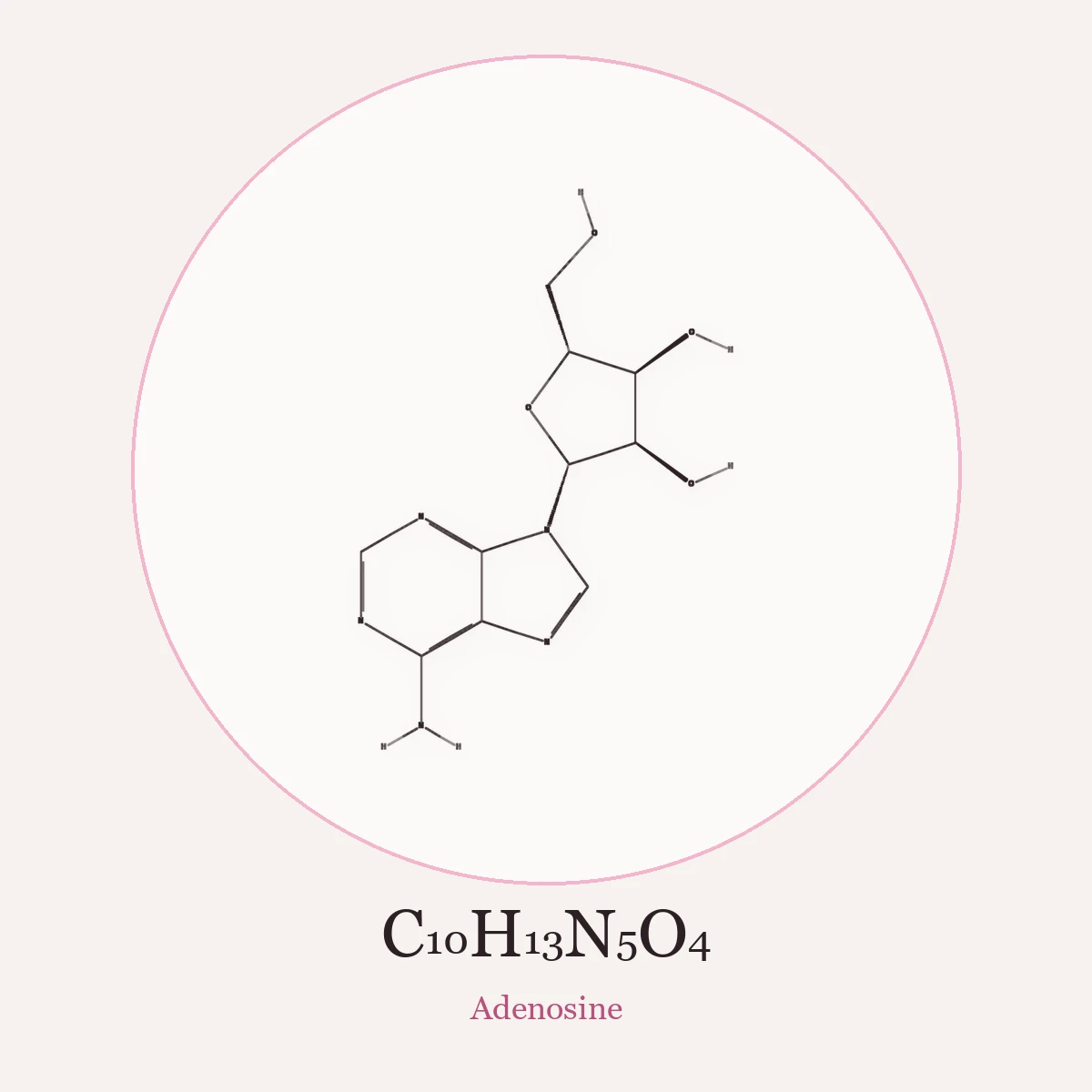
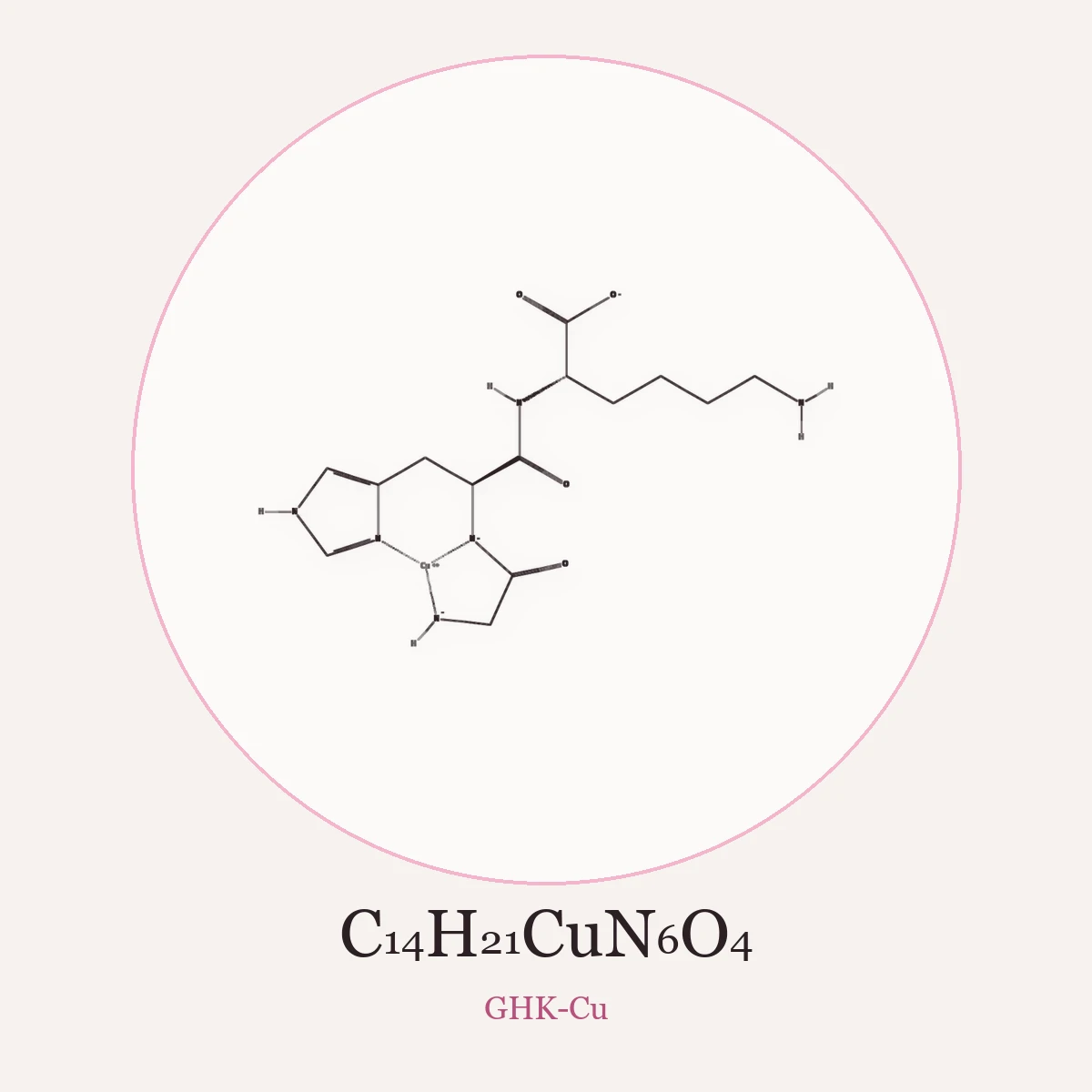
| Compared | Adenosine | GHK-Cu |
|---|---|---|
| Potency | Similar | Similar |
| Evidence | moderate evidence | moderate evidence |
| Time to see it work | 2–4 weeks | Never measured |
| Irritation risk | Low | Low |
| Clogs pores | Low | Low |
| In pregnancy | Considered safe | Considered safe |
| On a label | usually effective at 0.04-0.1% | usually effective at 0.01-0.1% |
So which should you pick?
These two are close enough to be near-interchangeable. Honestly, either one works. Choose by your skin type and what your routine already has.
No known clash between these two. If you want both, you can layer them; introduce one at a time.
Check these two in the tool →Or decode a whole product label →From our dataNeither has to be the answer: 58 other ingredients in our glossary share a family with these two.
Adenosine vs GHK-Cu, answered
Which is stronger, Adenosine or GHK-Cu?
They are close in strength: Adenosine and GHK-Cu score similarly on efficacy. Choose by skin type rather than power.
Is Adenosine or GHK-Cu better for sensitive skin?
Both carry a similar irritation risk (low). Patch test either one before using it daily.
Can you use Adenosine and GHK-Cu together?
There is no known clash between them. You can layer them if you like, just introduce one at a time.
General guidance, not medical advice. Read the full pages on Adenosine and GHK-Cu.