
Ingredient comparison
Glycolic acid vs Salicylic acid (BHA): which one is right for your skin?
Same comparison whichever way you searched it: Salicylic acid (BHA) vs Glycolic acid.
Short answer: Both earn their place. Salicylic acid (BHA) is the kinder pick if your skin reacts easily, otherwise it comes down to preference.
Not choosing, using both? Can you use them together? ↓
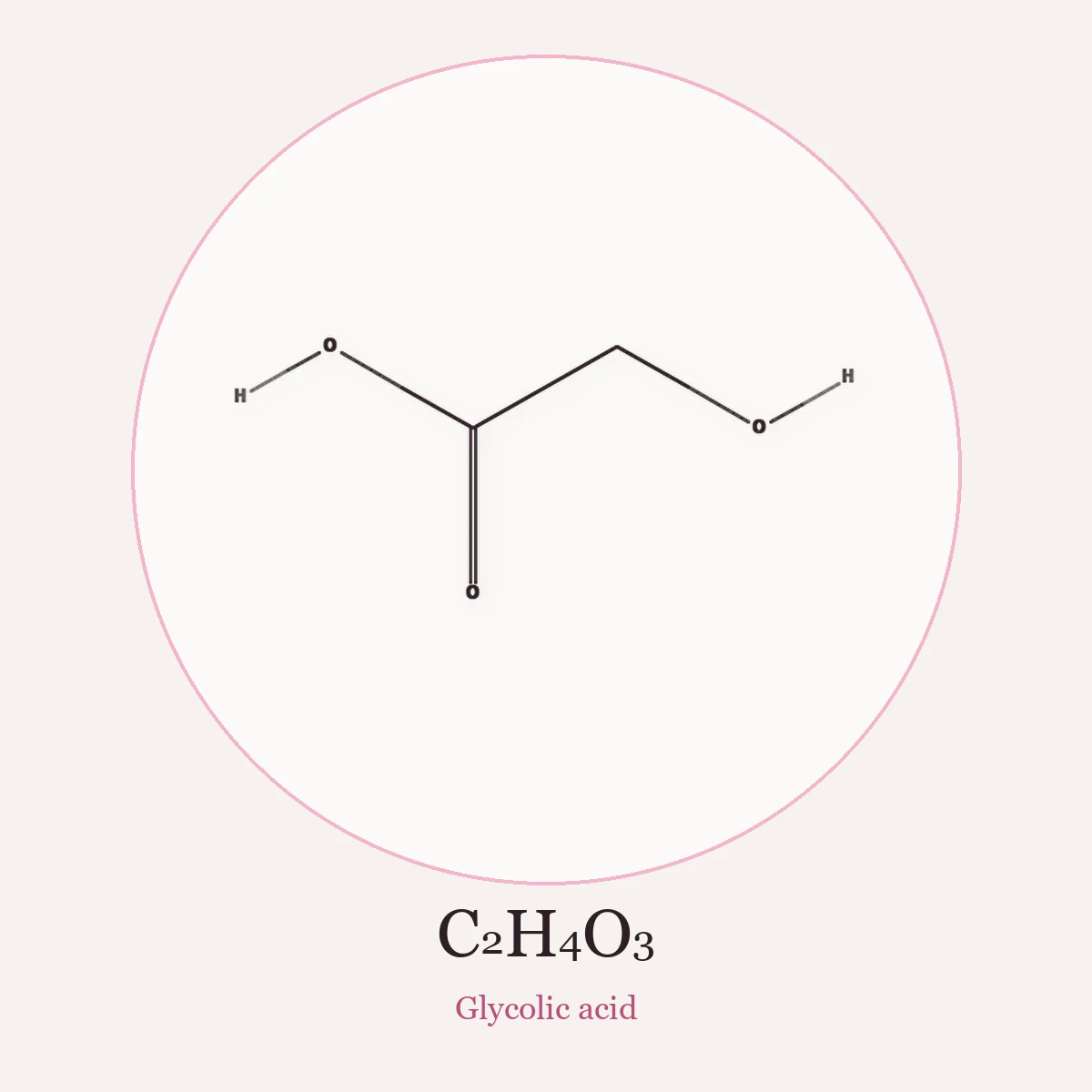
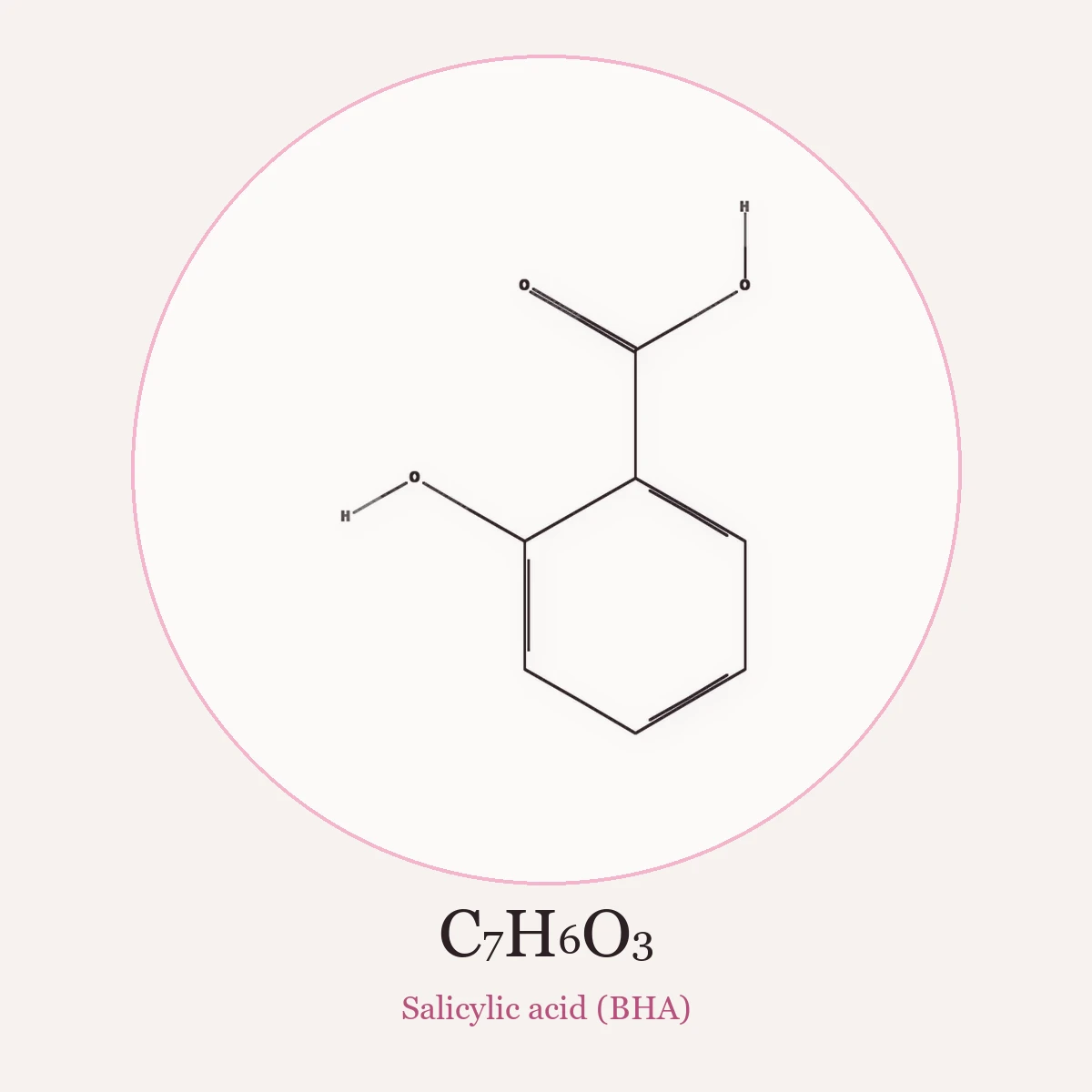
| Compared | Glycolic acid | Salicylic acid (BHA) |
|---|---|---|
| Potency | Similar | Similar |
| Evidence | strong evidence | moderate evidence |
| Time to see it work | 3 months+ | Never measured |
| Irritation risk | High | Moderate |
| Clogs pores | Low | Low |
| In pregnancy | Ask your doctor | Ask your doctor |
| pH-dependent | Needs the right pH | Needs the right pH |
| On a label | Not usually disclosed | works best above 0.5% |
So which should you pick?
Choose Glycolic acid if
- fine lines and firmness are your main goal
- you want the pick with the most research behind it
- you want an even pass over the whole surface rather than something that concentrates where the oil is
Choose Salicylic acid (BHA) if
- you are dealing with breakouts and congestion
- your skin is sensitive or reacts easily
- blackheads and congestion are the problem, since it dissolves in oil and can work inside the pore rather than only on the surface
The honest bottom line: Both earn their place. Salicylic acid (BHA) is the kinder pick if your skin reacts easily, otherwise it comes down to preference.
Can you use them together?
Use with careUse these with care.
Glycolic acidSalicylic acid (BHA)
Two exfoliants at once is usually one too many, and a common cause of irritation.
Do this: Pick one, and alternate days if you want to use both.
☀ Morning
Nothing here☾ Evening
Glycolic acidSalicylic acid (BHA)Glycolic acid makes skin more vulnerable to UV.Use on alternate nights, not the same evening.
Skip if: sensitive, compromised barrier, rosacea
Ask your doctor in pregnancySkip if: very sensitive, compromised barrier, pregnancy high
Ask your doctor in pregnancyThis answers one pair. Your shelf has more than two things on it, and they can fight each other too.
From our data276 of our 479 answered pairings need this kind of care, against 1 that clash outright.
Which one goes first?
Not on the same night
Use Glycolic acid and Salicylic acid (BHA) on alternate evenings rather than layering them together.
How to introduce Glycolic acid and Salicylic acid (BHA)
- Patch test each one first: a coin-sized amount on your inner forearm for two or three days, watching for redness or stinging.
- Alternate nights: Glycolic acid one evening, Salicylic acid (BHA) the next, so your skin only handles one of them at a time.
- Start the exfoliating acid at once or twice a week and increase gradually, giving your skin time to settle between steps.
- If skin turns tight, flaky, red or starts to sting, drop back a step and let your barrier recover for a few days before pushing on again.
There is room for both here, as long as you build up gently and let your skin set the pace.
For your skin type If your skin is sensitive or reactive, take this pair slowly: Glycolic acid is the higher-irritation ingredient here, and using actives close together magnifies that.
Sources
Plus how we reach every verdict: how we score →
Better for your concern
- Fine lines and firmnessGlycolic acid
- Breakouts and congestionSalicylic acid (BHA)
- Sensitive, reactive skinSalicylic acid (BHA)
Based on their scores in the knowledge base. "Either" means both hold their own for that goal.
From our dataNeither has to be the answer: 13 other ingredients in our glossary share a family with these two.
Other pairings
Can you mix Glycolic acid with
Can you mix Salicylic acid (BHA) with
Glycolic acid vs Salicylic acid (BHA), answered
Which is stronger, Glycolic acid or Salicylic acid (BHA)?
They are close in strength: Glycolic acid and Salicylic acid (BHA) score similarly on efficacy. Choose by skin type rather than power.
Is Glycolic acid or Salicylic acid (BHA) better for sensitive skin?
Salicylic acid (BHA) is the gentler choice for sensitive, reactive skin (moderate irritation risk, versus high for Glycolic acid).
Can you mix Glycolic acid and Salicylic acid (BHA)?
Use these with care. Two exfoliants at once is usually one too many, and a common cause of irritation. Pick one, and alternate days if you want to use both.
Should you use Glycolic acid and Salicylic acid (BHA) in the morning or at night?
Keep them to the evening, but on alternate nights rather than together.
How should you introduce Glycolic acid and Salicylic acid (BHA)?
Patch test each one first: a coin-sized amount on your inner forearm for two or three days, watching for redness or stinging. Alternate nights: Glycolic acid one evening, Salicylic acid (BHA) the next, so your skin only handles one of them at a time. Start the exfoliating acid at once or twice a week and increase gradually, giving your skin time to settle between steps. If skin turns tight, flaky, red or starts to sting, drop back a step and let your barrier recover for a few days before pushing on again. There is room for both here, as long as you build up gently and let your skin set the pace.
What else should you not mix with Glycolic acid?
Nothing else clashes badly with Glycolic acid. It fits into most routines, though it is always wise to introduce one new product at a time.
General guidance, not medical advice. Read the full pages on Glycolic acid and Salicylic acid (BHA).