
Ingredient comparison
Retinol vs Vitamin C (LAA): which one is right for your skin?
Same comparison whichever way you searched it: Vitamin C (LAA) vs Retinol.
Short answer: Both earn their place. Vitamin C (LAA) is the kinder pick if your skin reacts easily, otherwise it comes down to preference.
Not choosing, using both? Can you use them together? ↓
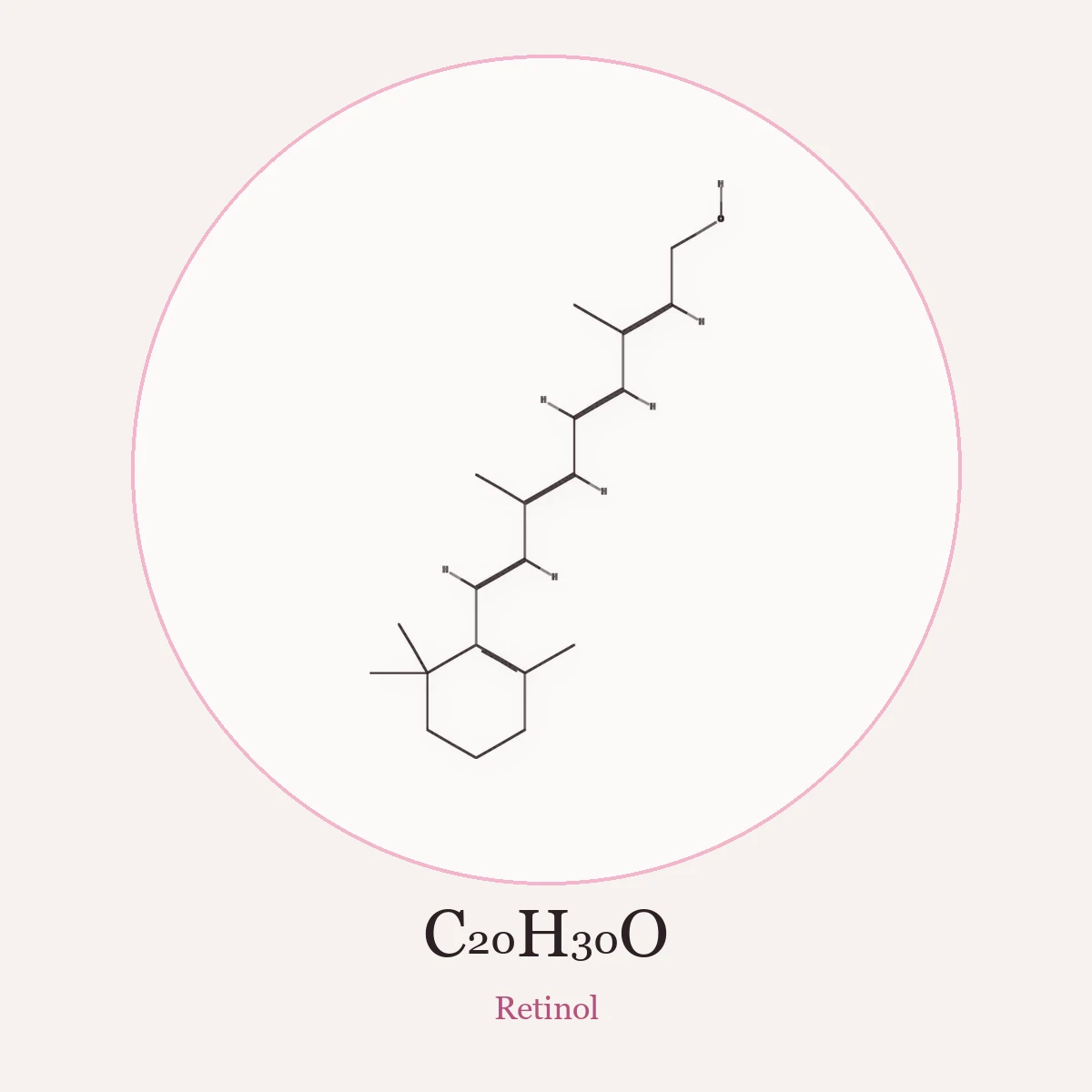
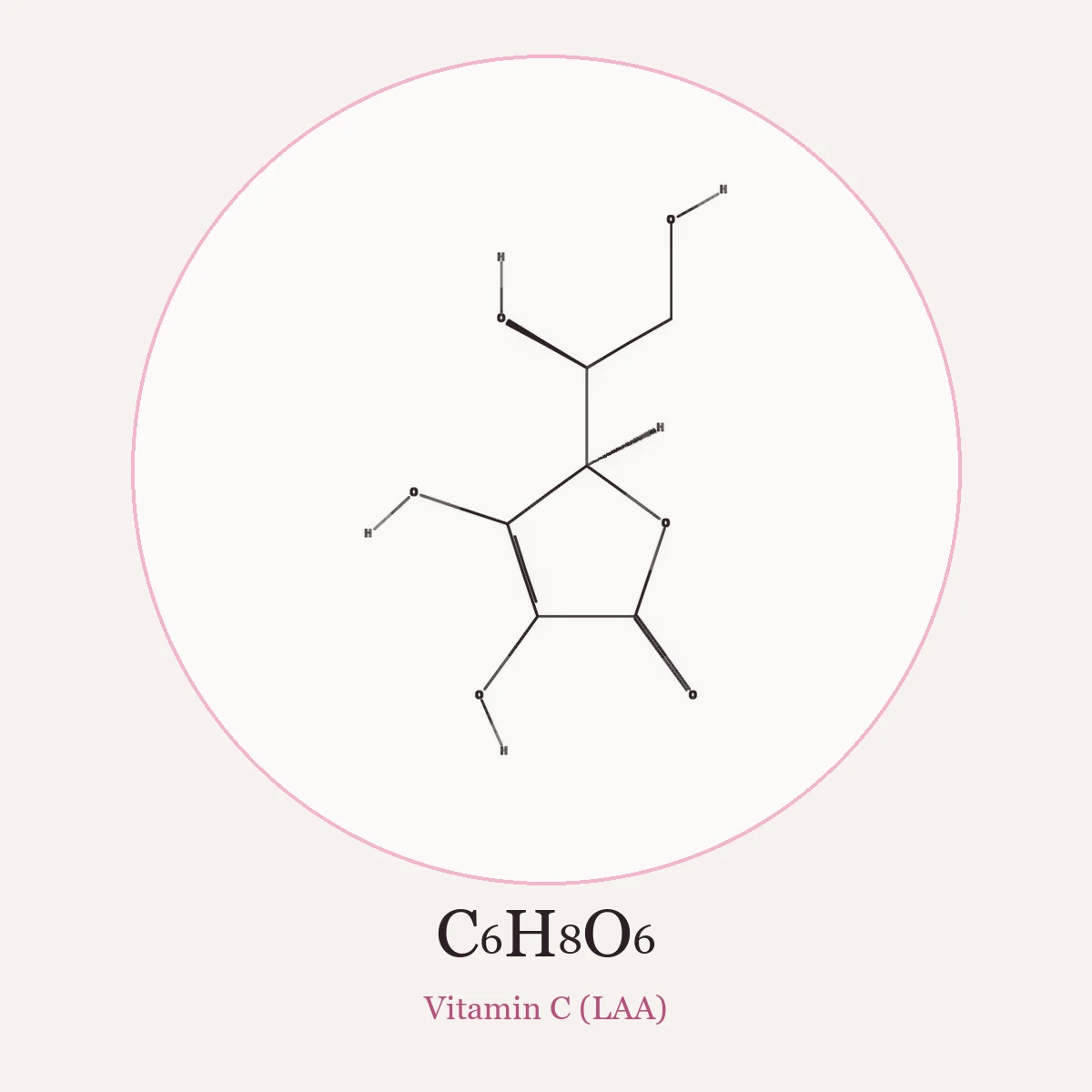
| Compared | Retinol | Vitamin C (LAA) |
|---|---|---|
| Potency | Similar | Similar |
| Evidence | strong evidence | strong evidence |
| Time to see it work | 4–8 weeks | 8–12 weeks |
| Irritation risk | High | Moderate |
| Clogs pores | Low | Low |
| In pregnancy | Not in pregnancy | Ask your doctor |
| pH-dependent | No | Needs the right pH |
| On a label | works best above 0.1% | Not usually disclosed |
So which should you pick?
Choose Retinol if
- fine lines and firmness are your main goal
- you would rather it just work, without depending on the product being at the right pH
Choose Vitamin C (LAA) if
- dark spots, dullness or an uneven tone are what you want to work on
- your skin is sensitive or reacts easily
- you are pregnant, since Retinol should be avoided and Vitamin C (LAA) is at least one to raise with your doctor
The honest bottom line: Both earn their place. Vitamin C (LAA) is the kinder pick if your skin reacts easily, otherwise it comes down to preference.
Pregnancy: Retinol should be avoided in pregnancy, and Vitamin C (LAA) is one to check with your doctor first.
Can you use them together?
Use with careUse these with care.
Pure vitamin C and retinoids prefer different pH levels, so layered together they can be a little less effective and more irritating. Vitamin C in the morning is a convention, not a measured rule; the retinoid in the evening is what the labels say.
Do this: Keep vitamin C for mornings and the retinoid for evenings.
☀ Morning
Vitamin C (LAA)☾ Evening
RetinolSkip if: pregnancy, breastfeeding, very sensitive, compromised barrier
Not in pregnancySkip if: very sensitive, rosacea
Ask your doctor in pregnancyThis answers one pair. Your shelf has more than two things on it, and they can fight each other too.
From our data58% of our 479 answered pairings need handling rather than avoiding. This is one of them.
Which one goes first?
Use them at different times
Do not layer these. Use Vitamin C (LAA) in the morning and Retinol in the evening.
How to introduce Retinol and Vitamin C (LAA)
- Patch test each one first: a coin-sized amount on your inner forearm for two or three days, watching for redness or stinging.
- Split them across the day: Vitamin C (LAA) in the morning, Retinol at night, rather than layered in the same routine.
- Start the retinoid at once or twice a week and increase gradually, giving your skin time to settle between steps.
- If skin turns tight, flaky, red or starts to sting, drop back a step and let your barrier recover for a few days before pushing on again.
There is room for both here, as long as you build up gently and let your skin set the pace.
For your skin type If your skin is sensitive or reactive, take this pair slowly: Retinol is the higher-irritation ingredient here, and using actives close together magnifies that.
Better for your concern
- Dark spots and uneven toneVitamin C (LAA)
- Fine lines and firmnessRetinol
- Sensitive, reactive skinVitamin C (LAA)
Based on their scores in the knowledge base. "Either" means both hold their own for that goal.
From our dataNeither has to be the answer: 85 other ingredients in our glossary share a family with these two.
Other pairings
Can you mix Retinol with
Can you mix Vitamin C (LAA) with
Retinol vs Vitamin C (LAA), answered
Which is stronger, Retinol or Vitamin C (LAA)?
They are close in strength: Retinol and Vitamin C (LAA) score similarly on efficacy. Choose by skin type rather than power.
Is Retinol or Vitamin C (LAA) better for sensitive skin?
Vitamin C (LAA) is the gentler choice for sensitive, reactive skin (moderate irritation risk, versus high for Retinol).
Can you mix Retinol and Vitamin C (LAA)?
Use these with care. Pure vitamin C and retinoids prefer different pH levels, so layered together they can be a little less effective and more irritating. Vitamin C in the morning is a convention, not a measured rule; the retinoid in the evening is what the labels say. Keep vitamin C for mornings and the retinoid for evenings.
Should you use Retinol and Vitamin C (LAA) in the morning or at night?
Use Vitamin C (LAA) in the morning and Retinol at night.
How should you introduce Retinol and Vitamin C (LAA)?
Patch test each one first: a coin-sized amount on your inner forearm for two or three days, watching for redness or stinging. Split them across the day: Vitamin C (LAA) in the morning, Retinol at night, rather than layered in the same routine. Start the retinoid at once or twice a week and increase gradually, giving your skin time to settle between steps. If skin turns tight, flaky, red or starts to sting, drop back a step and let your barrier recover for a few days before pushing on again. There is room for both here, as long as you build up gently and let your skin set the pace.
What else should you not mix with Retinol?
Nothing else clashes badly with Retinol. It fits into most routines, though it is always wise to introduce one new product at a time.
General guidance, not medical advice. Read the full pages on Retinol and Vitamin C (LAA).