Bioderma Sébium Gel Moussant On your shelf ✓
Our read, in one look
Lactic acid is the reason to consider this cleanser, with Xylitol behind it.
The case for it
- Lactic acid, moderate evidence for hydration
- Xylitol, moderate evidence for hydration
- No alcohol, silicones or parabens
Mind this
- Sunscreen the next day, acids leave skin more sun-sensitive
- Add it on its own for a week or two, so you know what your skin is answering to
 Maya's read
Bioderma Sébium Gel Moussant is a cleanser built around Lactic acid and Xylitol. It leans strongest on hydration. Best suited to dry, normal and combo skin. Go slow: the active is potent enough to irritate if overused.
Skip it if your barrier is already sensitised or compromised: the acids can sting broken or over-exfoliated skin.
The formula, drawn
Every ingredient in label order, coloured by the job it does here.
4 of the 20 sit above the 1% line. The other 16, hatched, are each under 1%. Widths show the ORDER on the label and nothing else: the label never discloses amounts, so we never draw them.
- Actives & signals
- Hydrators
- Texture & base
- Preservation
- Not in our library yet
What it delivers
How it feels A gentle wash that lifts the day away without leaving skin tight or squeaky. (estimated from the formula)
What's in it that matters
AHA that provides gentle exfoliation and some humectant effect; generally milder than glycolic but still pH-dependent and potentially irritating.
Sugar alcohol humectant that can increase skin hydration and may support a healthy skin microbiome.
How to use it
In the evening, and not every night: 2–3 times a week is plenty. Follow with a moisturiser, and wear sunscreen the next day.
Keep it away from
- Retinoids (retinol, tretinoin)
- Benzoyl peroxide
- Other exfoliating acids the same night
Where it acts
The same cross-section as our 500 dalton page, with this formula's actives on the layer each one works on. Depth is the anatomy's, never an ingredient's.
Skin surface
The stratum corneum
- Lactic acidderived from what it is
- Xylitolderived from what it is
2 of this product's actives have a layer we can defend.
Against the average cleanser
It scores lower than the median cleanser on barrier repair, hydration and oil control.
On brightening and anti-aging it is level with the median, so that is not what sets it apart.
A median, not an average: one unusual formula should not move the middle. The numbers are the same 0 to 10 reads the comparison pages use.
The full ingredients list, decoded
Every ingredient on the label, in the order it appears (highest amount first). We link the 11 our library knows, name what each one does, and flag anything that can irritate or clog. The rest we leave plain, nothing is hidden.
All 20 ingredients, decoded
- Aqua/Water/EauSolvent (base)
- Sodium CocoamphoacetateCleansing agent
- Sodium Laureth SulfateSurfactantmild irritant
- MethylpropanediolHumectant
- roughly the 1% lineThe rules only require descending order above 1%. From Disodium EDTA down, these 16 can be listed in any order the brand likes, so position stops telling you anything.
- Disodium EDTAChelator
- MannitolHumectant (sugar)
- XylitolHumectant
- RhamnoseHumectant (sugar)
- FructooligosaccharidesHumectant
- Zinc SulfateMineral
- Copper SulfateMineral
- Ginkgo Biloba Leaf ExtractBotanical extract
- PEG-90 Glyceryl IsostearateEmulsifier
- Lactic AcidExfoliantmild irritant
- Laureth-2Emulsifier
- Potassium SorbatePreservative
- Sodium ChlorideThickener
- Propylene GlycolHumectantmild irritant
- Sodium HydroxidePh adjustermild irritant
- Fragrance (Parfum)Fragrancecan irritate
Worth knowing: Lactic acid, Xylitol sit below that line. They are in there, and the label does not tell you how much. That is not the same as saying it is too little to matter.
Copy the raw INCI list
Aqua/Water/Eau, Sodium Cocoamphoacetate, Sodium Laureth Sulfate, Methylpropanediol, Disodium EDTA, Mannitol, Xylitol, Rhamnose, Fructooligosaccharides, Zinc Sulfate, Copper Sulfate, Ginkgo Biloba Leaf Extract, PEG-90 Glyceryl Isostearate, Lactic Acid, Laureth-2, Potassium Sorbate, Sodium Chloride, Propylene Glycol, Sodium Hydroxide, Fragrance (Parfum)
Read enough? Find it on amazon.com →
We don't make or sell skincare of our own. So there's nothing here we're trying to push, just an honest read of whether this formula suits your skin.
Against your shelf
Read from your own shelf, in your browser. We never see it.
Compare it with…
All 6 comparisons
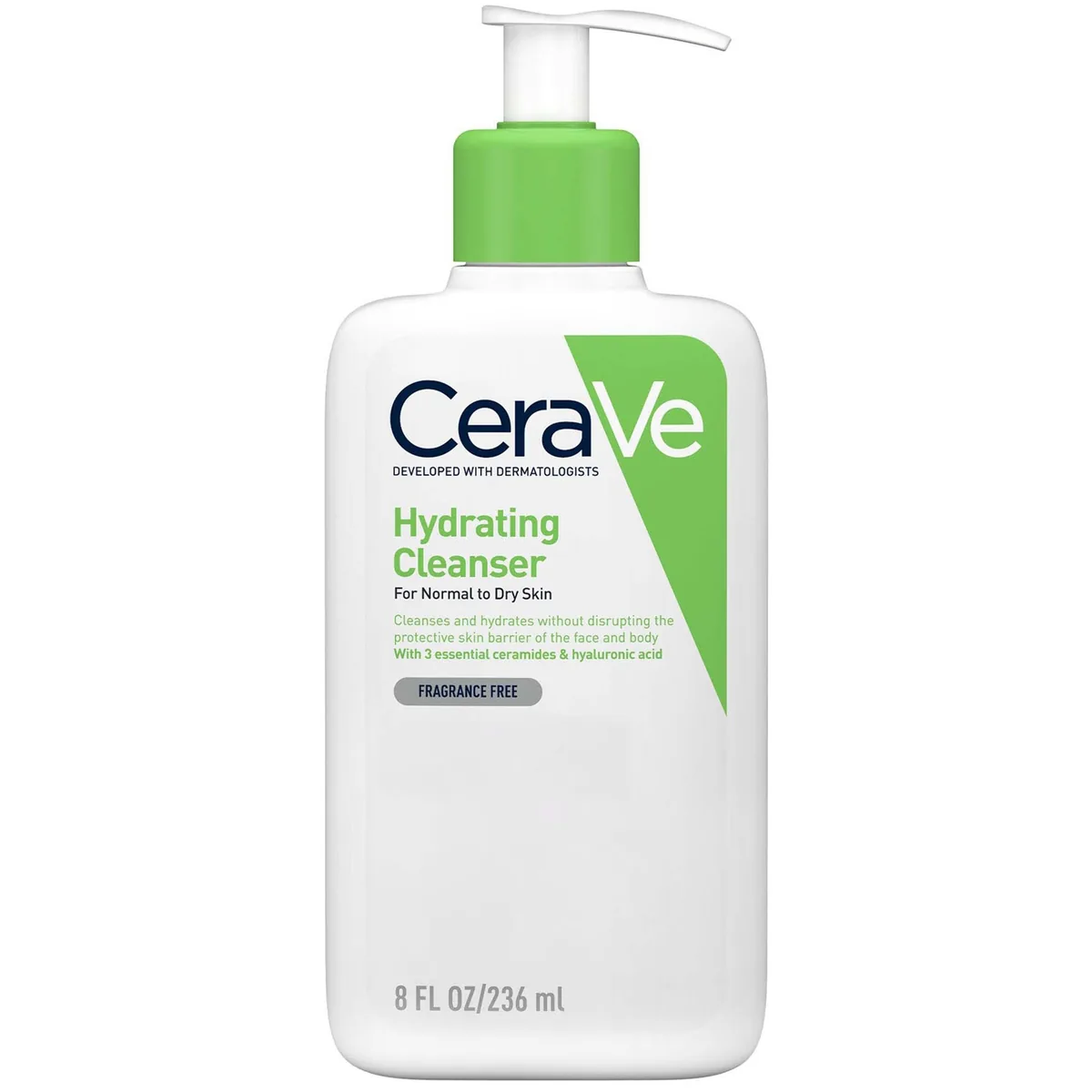
- Sébium Gel Moussant vs CeraVe Hydrating Cleanser
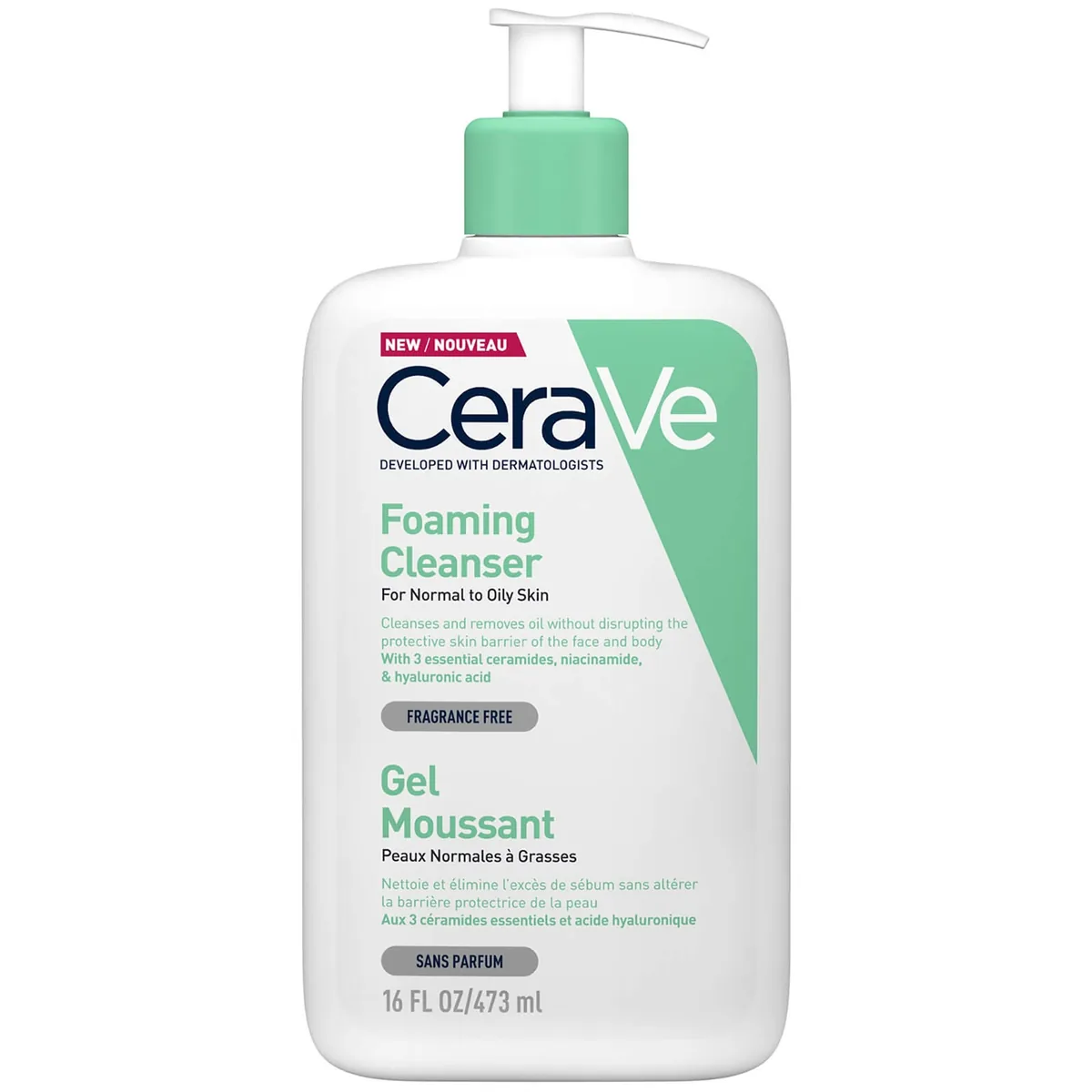
- Sébium Gel Moussant vs CeraVe Foaming Facial Cleanser
- Sébium Gel Moussant vs CeraVe SA Smoothing Cleanser
- Sébium Gel Moussant vs Cetaphil Gentle Skin Cleanser
- Sébium Gel Moussant vs COSRX Low pH Good Morning Gel Cleanser
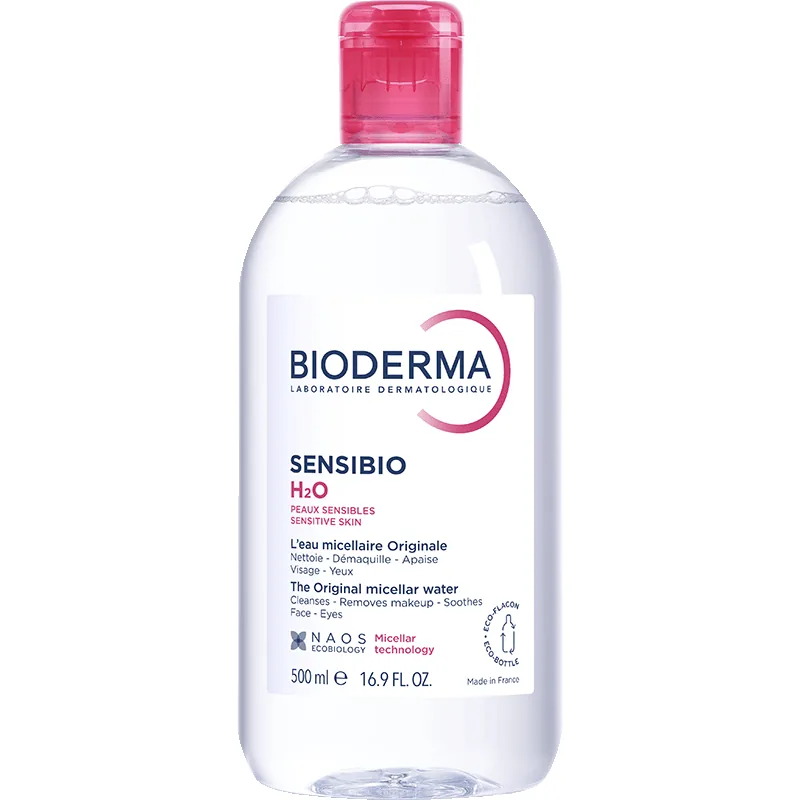
- Sébium Gel Moussant vs Bioderma Sensibio H2O Micellar Water
Common questions
Is Bioderma Sébium Gel Moussant good for dry skin?
By our read of the formula, it suits dry, normal, combo skin. Bioderma Sébium Gel Moussant is a cleanser built around Lactic acid and Xylitol. It leans strongest on hydration. Best suited to dry, normal and combo skin. Go slow: the active is potent enough to irritate if overused.
How do you use Bioderma Sébium Gel Moussant?
In the evening, and not every night: 2–3 times a week is plenty. Follow with a moisturiser, and wear sunscreen the next day.
What are the key ingredients in Bioderma Sébium Gel Moussant?
The actives that do the work are Lactic acid, Xylitol. The rest of the list is texture, preservatives and emulsifiers that hold the formula together.
What the 3D scene shows
The scene shows Bioderma Sébium Gel Moussant beside a cross-section of skin, with 2 of its ingredients drawn at the layer each one acts on and at one shared molecular scale: Lactic acid and Xylitol in the stratum corneum, the dead outer layer where most skincare works. Depths come from the same sourced layer data as the rest of this site, and any ingredient whose layer is not established is left out rather than guessed.