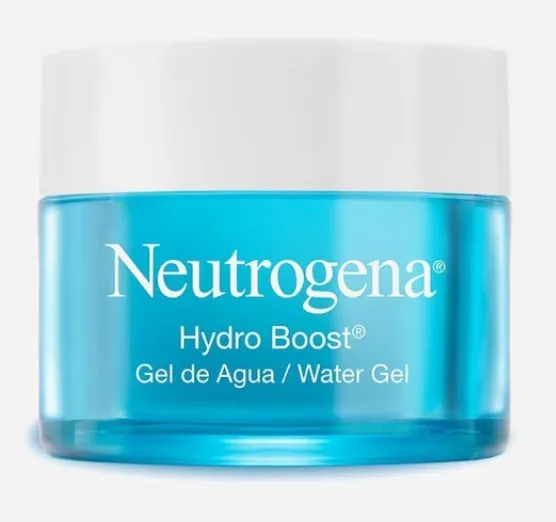
Neutrogena Hydro Boost Water Gel SPF 50 On your shelf ✓
Our read, in one look
Avobenzone is the reason to consider this sunscreen, with Octocrylene behind it.
The case for it
- Avobenzone, strong evidence for UVA1 protection
- Octocrylene, moderate evidence for UVB protection
- No parabens
Mind this
- A morning step, under sunscreen
- Add it on its own for a week or two, so you know what your skin is answering to
 Maya's read
Neutrogena Hydro Boost Water Gel SPF 50 is a sunscreen built around Avobenzone, Glycerin and Octocrylene. It leans strongest on hydration, barrier repair. Best suited to dry, dehydrated and normal skin. Worth noting it contains fragrance, so reactive skin should patch-test.
Skip it if your skin reacts to fragrance: this one is scented.
The formula, drawn
Every ingredient in label order, coloured by the job it does here.
13 of the 28 sit above the 1% line. The other 15, hatched, are each under 1%. Widths show the ORDER on the label and nothing else: the label never discloses amounts, so we never draw them.
- Actives & signals
- Hydrators
- Texture & base
- Preservation
- Not in our library yet
What it delivers
How it feels Finish varies by batch and region, so check matte-vs-dewy before committing if that matters to you. (estimated from the formula)
What's in it that matters
Widely used UVA1 filter that needs stabilizing partners to remain photostable but is key for modern broad-spectrum sunscreens.
Classic humectant with strong evidence for improving skin hydration and supporting barrier when combined with emollients.
UVB filter that also acts as a photostabilizer for avobenzone, improving SPF and filter stability but with some sensitization concerns.
UVB filter used at relatively high percentages, mainly to boost SPF in combination sunscreens.
Salicylate UVB filter that helps boost SPF and improve texture, usually paired with UVA filters for broad-spectrum coverage.
Hyaluronic acid cut into shorter fragments, so it sits into the surface rather than resting on top of it. It works with the full-size form rather than replacing it.
How to use it
The last step of your morning routine, over moisturiser. Reapply through the day if you are outdoors.
Where it acts
The same cross-section as our 500 dalton page, with this formula's actives on the layer each one works on. Depth is the anatomy's, never an ingredient's.
Skin surface
On top of the skin
- Avobenzonederived from what it is
- Homosalatederived from what it is
- Octisalatederived from what it is
- Octocrylenederived from what it is
The stratum corneum
- Glycerinderived from what it is
- Hydrolyzed hyaluronic acidderived from what it is
6 of this product's actives have a layer we can defend.
Against the average sunscreen
It sits within 1 point of the median sunscreen on every axis.
A median, not an average: one unusual formula should not move the middle. The numbers are the same 0 to 10 reads the comparison pages use.
The full ingredients list, decoded
Every ingredient on the label, in the order it appears (highest amount first). We link the 18 our library knows, name what each one does, and flag anything that can irritate or clog. The rest we leave plain, nothing is hidden.
All 28 ingredients, decoded
- WaterSolvent (base)
- HomosalateUv filter
- OctocryleneUv filtermild irritant
- OctisalateUv filter
- AvobenzoneUv filtermild irritant
- Butyloctyl SalicylateUV filter
- GlycerinHumectant
- Alcohol Denat.Solventcan irritate
- SilicaAbsorbent
- Caprylyl MethiconeEmollient
- Aluminum Starch OctenylsuccinateTexture
- DimethiconeOcclusive
- Polyurethane-62
- roughly the 1% lineThe rules only require descending order above 1%. From Phenoxyethanol down, these 15 can be listed in any order the brand likes, so position stops telling you anything.
- PhenoxyethanolPreservativemild irritant
- Pentylene GlycolHumectant
- Styrene/Acrylates CopolymerThickener
- Sodium Acryloyldimethyltaurate/VP Crosspolymer
- Acrylates/Dimethicone CopolymerThickener
- FragranceFragrancecan irritate
- Glyceryl StearateEmulsifier
- ChlorphenesinPreservative
- Menthyl Lactate
- Tocopheryl AcetateAntioxidant
- Disodium EDTAChelator
- Trideceth-6
- Hydrolyzed Hyaluronic AcidHumectant
- Sodium HydroxidePh adjustermild irritant
- Blue 1
Worth knowing: Hydrolyzed hyaluronic acid sits below that line. It is in there, and the label does not tell you how much. That is not the same as saying it is too little to matter.
Copy the raw INCI list
Water, Homosalate, Octocrylene, Octisalate, Avobenzone, Butyloctyl Salicylate, Glycerin, Alcohol Denat., Silica, Caprylyl Methicone, Aluminum Starch Octenylsuccinate, Dimethicone, Polyurethane-62, Phenoxyethanol, Pentylene Glycol, Styrene/Acrylates Copolymer, Sodium Acryloyldimethyltaurate/VP Crosspolymer, Acrylates/Dimethicone Copolymer, Fragrance, Glyceryl Stearate, Chlorphenesin, Menthyl Lactate, Tocopheryl Acetate, Disodium EDTA, Trideceth-6, Hydrolyzed Hyaluronic Acid, Sodium Hydroxide, Blue 1
Read enough? Find it on amazon.com →
We don't make or sell skincare of our own. So there's nothing here we're trying to push, just an honest read of whether this formula suits your skin.
Against your shelf
Read from your own shelf, in your browser. We never see it.
Compare it with…
All 4 comparisons
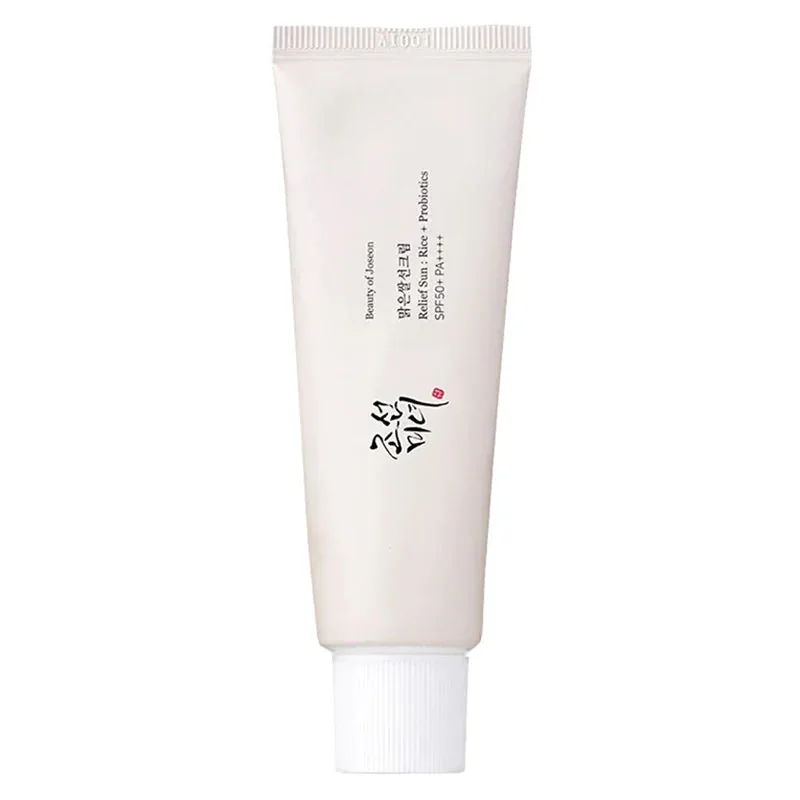
- Hydro Boost Water Gel SPF 50 vs Beauty of Joseon Relief Sun: Rice + Probiotics SPF50+
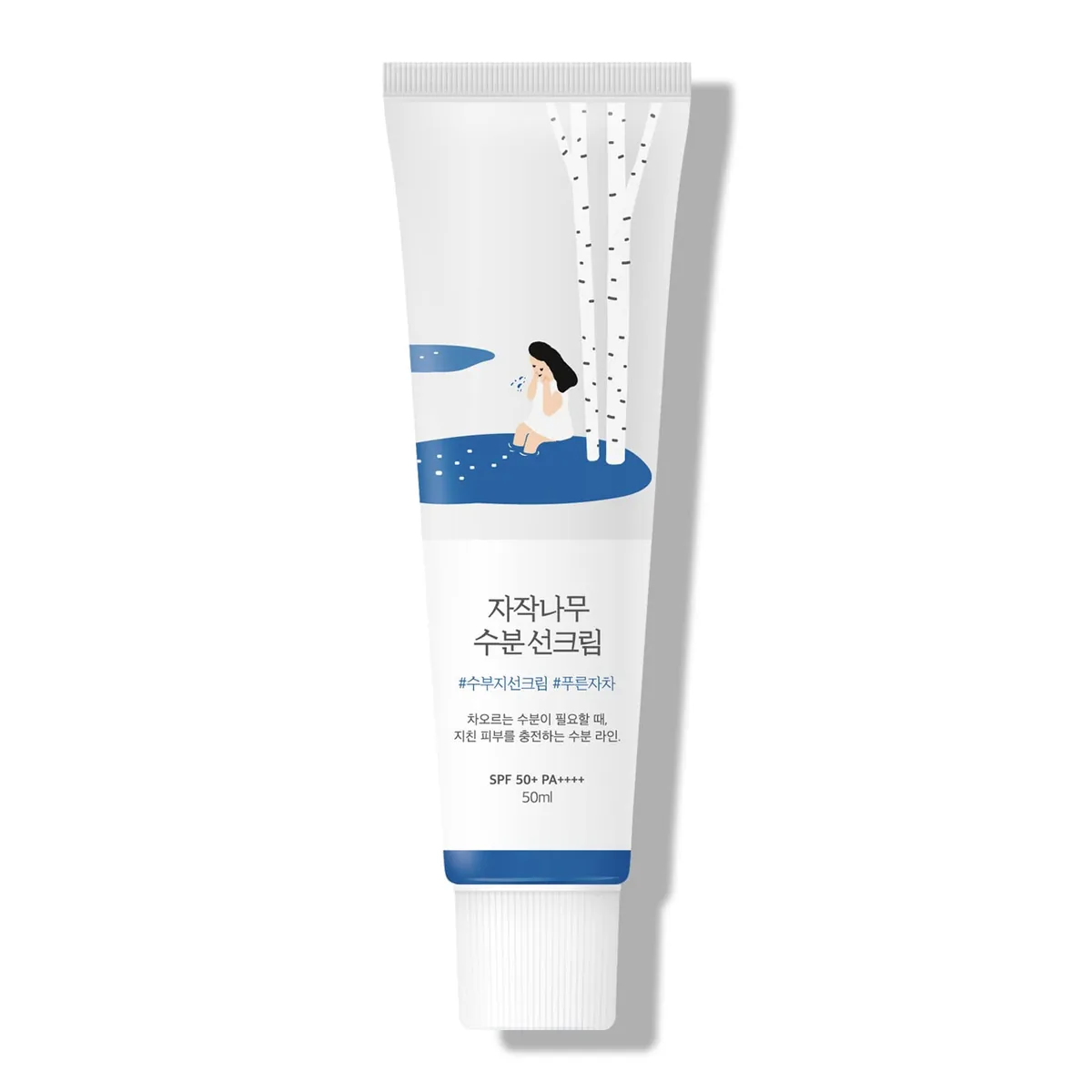
- Hydro Boost Water Gel SPF 50 vs Round Lab Birch Juice Moisturizing Sun Cream
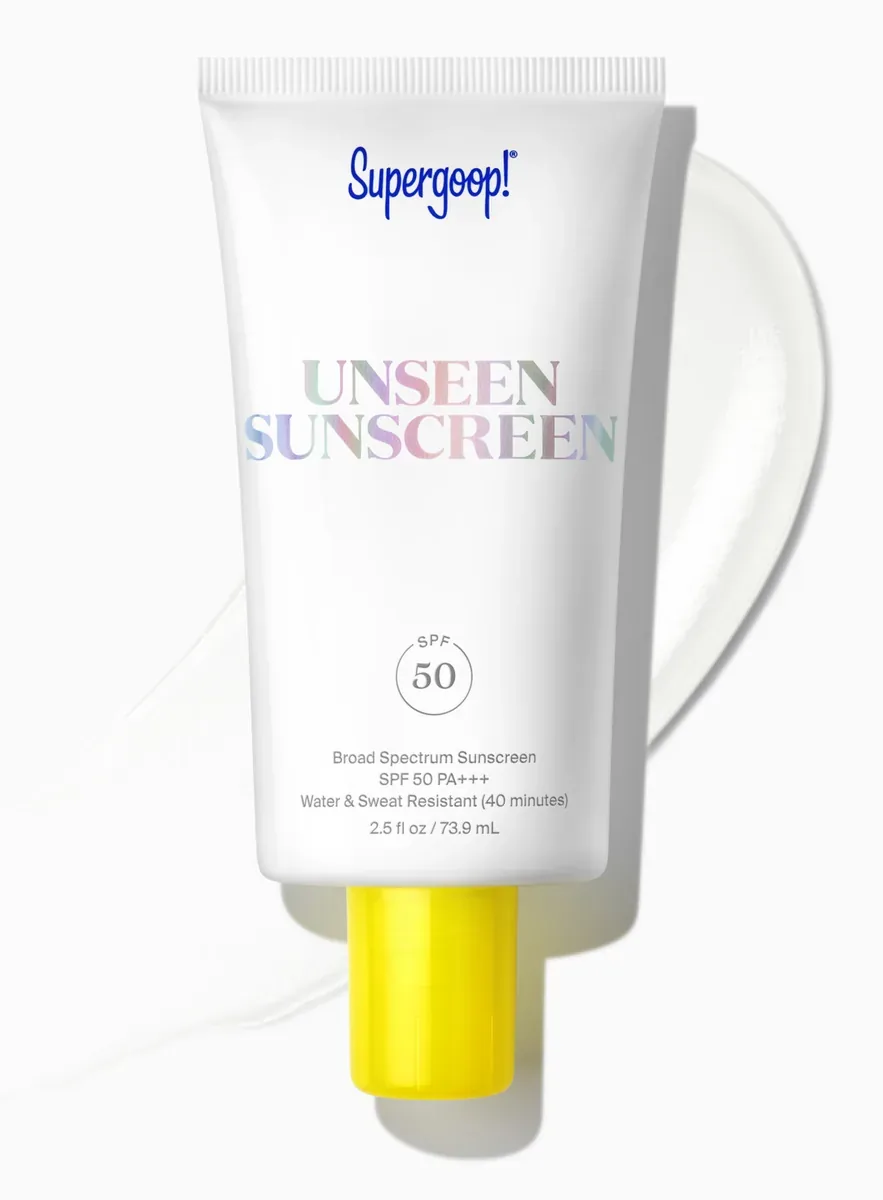
- Hydro Boost Water Gel SPF 50 vs Supergoop! Unseen Sunscreen SPF 50
- Hydro Boost Water Gel SPF 50 vs La Roche-Posay Anthelios UVMune 400 Invisible Fluid SPF50+
Common questions
Is Neutrogena Hydro Boost Water Gel SPF 50 good for dry skin?
By our read of the formula, it suits dry, dehydrated, normal skin. Neutrogena Hydro Boost Water Gel SPF 50 is a sunscreen built around Avobenzone, Glycerin and Octocrylene. It leans strongest on hydration, barrier repair. Best suited to dry, dehydrated and normal skin. Worth noting it contains fragrance, so reactive skin should patch-test.
How do you use Neutrogena Hydro Boost Water Gel SPF 50?
The last step of your morning routine, over moisturiser. Reapply through the day if you are outdoors.
What are the key ingredients in Neutrogena Hydro Boost Water Gel SPF 50?
The actives that do the work are Avobenzone, Glycerin, Octocrylene, Homosalate, Octisalate, Hydrolyzed hyaluronic acid. The rest of the list is texture, preservatives and emulsifiers that hold the formula together.
What the 3D scene shows
The scene shows Neutrogena Hydro Boost Water Gel SPF 50 beside a cross-section of skin, with 4 of its ingredients drawn at the layer each one acts on and at one shared molecular scale: Avobenzone and Glycerin and Homosalate and Octocrylene in the stratum corneum, the dead outer layer where most skincare works. Depths come from the same sourced layer data as the rest of this site, and any ingredient whose layer is not established is left out rather than guessed.