Anua Niacinamide 10% + TXA 4% Serum On your shelf ✓
Our read, in one look
Niacinamide is the reason to consider this serum, with Ceramide 3 behind it.
The case for it
- Niacinamide, strong evidence for the barrier
- Ceramide 3, strong evidence for the barrier
- No fragrance, alcohol, silicones or parabens
Mind this
- Sunscreen the next day, acids leave skin more sun-sensitive
- Add it on its own for a week or two, so you know what your skin is answering to
 Maya's read
Anua Niacinamide 10% + TXA 4% Serum is a serum built around Glycerin, Niacinamide and Ceramide 3. It leans strongest on hydration, barrier repair, brightening / tone. Best suited to dry, dehydrated and oily skin. Go slow: the active is potent enough to irritate if overused.
Skip it if your barrier is already sensitised or compromised: the acids can sting broken or over-exfoliated skin.
The formula, drawn
Every ingredient in label order, coloured by the job it does here.
31 of the 51 sit above the 1% line. The other 20, hatched, are each under 1%. Widths show the ORDER on the label and nothing else: the label never discloses amounts, so we never draw them.
- Actives & signals
- Hydrators
- Texture & base
- Preservation
- Not in our library yet
- No fragrance anywhere on the label
What it delivers
How it feels A light, fast-absorbing texture that layers cleanly under the rest of your routine, with no greasy film. (estimated from the formula)
What's in it that matters
Classic humectant with strong evidence for improving skin hydration and supporting barrier when combined with emollients.
Multitasking vitamin that improves barrier, reduces redness, regulates oil, helps with pores and pigmentation with strong clinical support.
Skin-identical ceramide that plays a key role in restoring and strengthening the skin barrier.
Pigment-modulating ingredient that interferes with plasmin pathways and melanin transfer, used topically to reduce melasma and post-inflammatory hyperpigmentation.
Water-binding molecule that increases hydration; works best under occlusive/emollient layers to reduce evaporation.
Tyrosinase inhibiting brightener that reduces melasma and dark spots with fewer adverse effects than hydroquinone but can still irritate sensitive or compromised skin.
How to use it
In the evening, and not every night: 2–3 times a week is plenty. Follow with a moisturiser, and wear sunscreen the next day.
Keep it away from
- Retinoids (retinol, tretinoin)
- Benzoyl peroxide
- Other exfoliating acids the same night
Where it acts
The same cross-section as our 500 dalton page, with this formula's actives on the layer each one works on. Depth is the anatomy's, never an ingredient's.
Skin surface
The stratum corneum
- Betaine Salicylatederived from what it is
- Ceramide 3derived from what it is
- Glycerinderived from what it is
- Hyaluronic acidderived from what it is
The living epidermis
- Alpha Arbutinlikely, sourced
- Niacinamideestablished, sourced
- Tranexamic Acidlikely, sourced
7 of this product's actives have a layer we can defend.
Sources for the sourced ones: Ebanks et al. 2009: mechanisms regulating skin pigmentation; Boo 2021: mechanistic basis for topical nicotinamide.
Against the average serum
It scores higher than the median serum on oil control, brightening and barrier repair.
On hydration and anti-aging it is level with the median, so that is not what sets it apart.
A median, not an average: one unusual formula should not move the middle. The numbers are the same 0 to 10 reads the comparison pages use.
The full ingredients list, decoded
Every ingredient on the label, in the order it appears (highest amount first). We link the 26 our library knows, name what each one does, and flag anything that can irritate or clog. The rest we leave plain, nothing is hidden.
All 51 ingredients, decoded
- WaterSolvent (base)
- GlycerinHumectant
- NiacinamideVitaminmild irritant
- Tranexamic AcidAmino acid derivative
- Butylene GlycolHumectant
- Diethoxyethyl Succinate
- 1,2-HexanediolPreservative booster
- Arbutin
- Sodium HyaluronateHumectant
- Alpha-ArbutinPhenolic derivativemild irritant
- Coccinia Indica Fruit ExtractBotanical extract
- Eclipta Prostrata ExtractBotanical extract
- Macadamia Integrifolia Seed OilEmollient
- Olea Europaea (Olive) Fruit OilEmollient
- Vitis Vinifera (Grape) Seed OilEmollient
- Theobroma Cacao (Cocoa) ExtractBotanical extract
- Hydrolyzed Hyaluronic AcidHumectant
- Chamaecyparis Obtusa Leaf ExtractBotanical extract
- Prunus Persica (Peach) Flower ExtractBotanical extract
- Camellia Sinensis Seed OilPlant oil / butter (emollient)
- Yeast Ferment ExtractBotanical extract
- Centella Asiatica ExtractSoothing
- Artemisia Princeps Leaf ExtractBotanical extract
- Hyaluronic AcidHumectant
- Pentylene GlycolHumectant
- Betaine SalicylateExfoliantmild irritant
- Sucrose PalmitateEmollient (ester)
- Hydrogenated Lecithin
- Gellan Gum
- roughly the 1% lineThe rules only require descending order above 1%. From Sodium Phytate down, these 20 can be listed in any order the brand likes, so position stops telling you anything.
- Sodium Phytate
- CelluloseThickener
- Caprylic/Capric TriglycerideEmollient
- PanthenolHumectant
- Cyanocobalamin
- Polyglutamic AcidHumectant
- 3-O-Ethyl Ascorbic AcidVitamin c derivativemild irritant
- Ceramide NPBarrier lipid
- Dextrin
- AsiaticosideSoothing
- Madecassic Acid
- Asiatic Acid
- Dimethylsilanol Hyaluronate
- Hydrolyzed Sodium Hyaluronate
- Potassium Hyaluronate
- Hydroxypropyltrimonium Hyaluronate
- Sodium Hyaluronate CrosspolymerHumectant
- Sodium Hyaluronate Dimethylsilanol
- Sodium Acetylated HyaluronateHumectant
- Xanthan GumThickener
Copy the raw INCI list
Water, Glycerin, Niacinamide, Tranexamic Acid, Butylene Glycol, Diethoxyethyl Succinate, 1,2-Hexanediol, Arbutin, Sodium Hyaluronate, Alpha-Arbutin, Coccinia Indica Fruit Extract, Eclipta Prostrata Extract, Macadamia Integrifolia Seed Oil, Olea Europaea (Olive) Fruit Oil, Simmondsia Chinensis (Jojoba) Seed Oil, Vitis Vinifera (Grape) Seed Oil, Theobroma Cacao (Cocoa) Extract, Hydrolyzed Hyaluronic Acid, Chamaecyparis Obtusa Leaf Extract, Prunus Persica (Peach) Flower Extract, Camellia Sinensis Seed Oil, Yeast Ferment Extract, Centella Asiatica Extract, Artemisia Princeps Leaf Extract, Candida Bombicola/Glucose/Methyl Rapeseedate Ferment, Hyaluronic Acid, Pentylene Glycol, Betaine Salicylate, Sucrose Palmitate, Hydrogenated Lecithin, Gellan Gum, Sodium Phytate, Cellulose, Caprylic/Capric Triglyceride, Panthenol, Cyanocobalamin, Polyglutamic Acid, 3-O-Ethyl Ascorbic Acid, Ceramide NP, Dextrin, Asiaticoside, Madecassic Acid, Asiatic Acid, Dimethylsilanol Hyaluronate, Hydrolyzed Sodium Hyaluronate, Potassium Hyaluronate, Hydroxypropyltrimonium Hyaluronate, Sodium Hyaluronate Crosspolymer, Sodium Hyaluronate Dimethylsilanol, Sodium Acetylated Hyaluronate, Xanthan Gum
Read enough? Find it on amazon.com →
We don't make or sell skincare of our own. So there's nothing here we're trying to push, just an honest read of whether this formula suits your skin.
Against your shelf
Read from your own shelf, in your browser. We never see it.
Compare it with…
All 12 comparisons
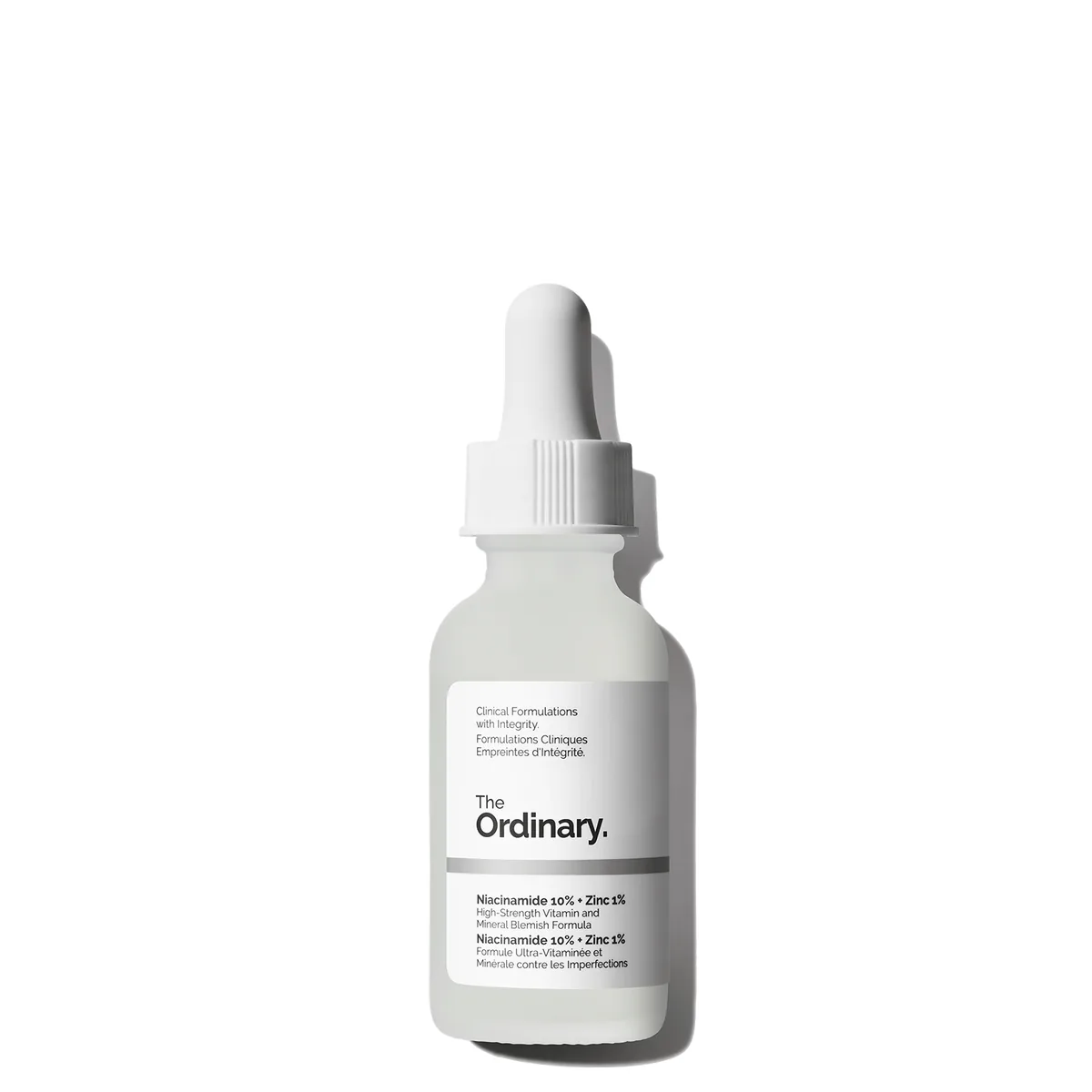
- Niacinamide 10% + TXA 4% Serum vs The Ordinary Niacinamide 10% + Zinc 1%
- Niacinamide 10% + TXA 4% Serum vs The Ordinary Hyaluronic Acid 2% + B5 (Original Formulation)
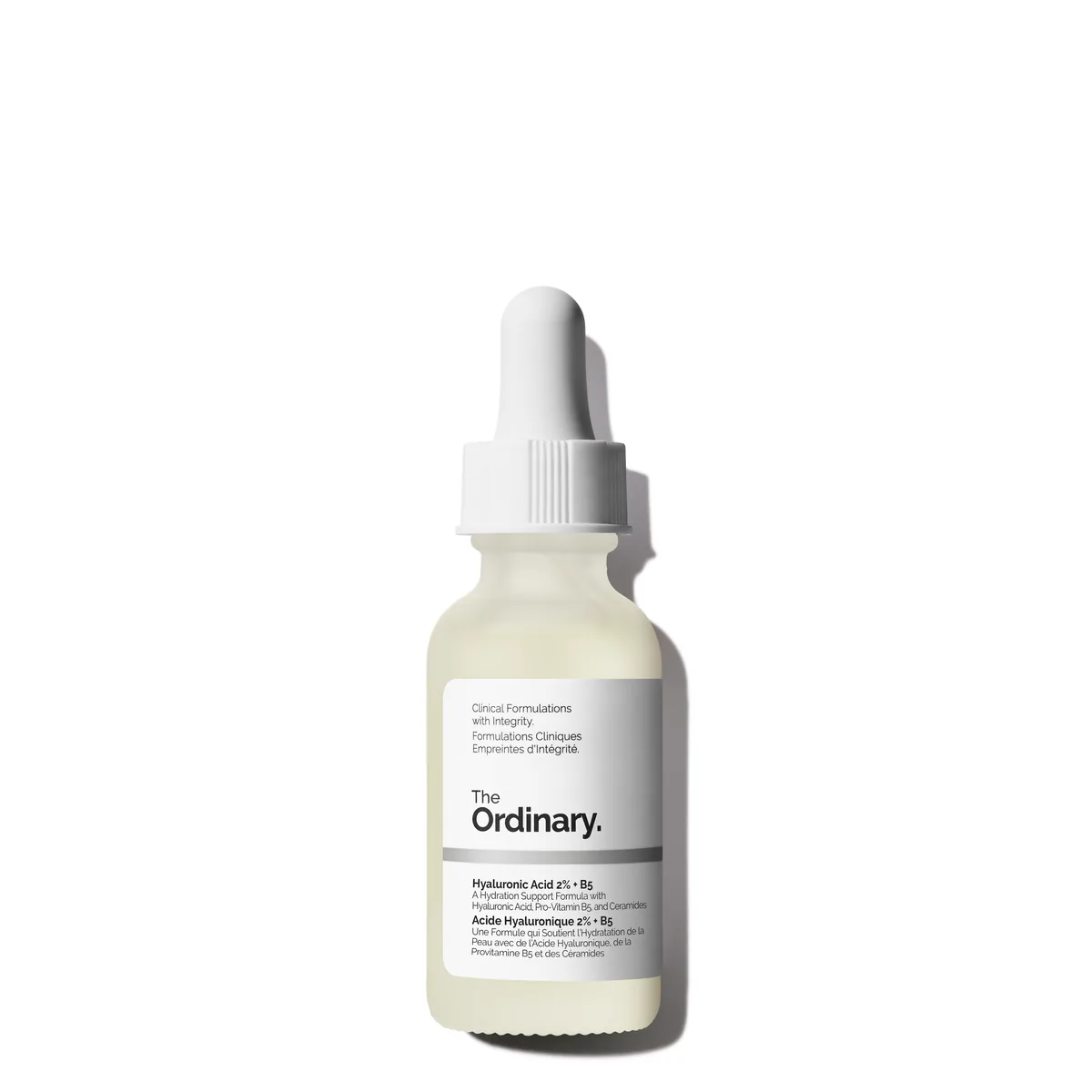
- Niacinamide 10% + TXA 4% Serum vs The Ordinary Hyaluronic Acid 2% + B5 (with Ceramides)
- Niacinamide 10% + TXA 4% Serum vs CeraVe Resurfacing Retinol Serum
- Niacinamide 10% + TXA 4% Serum vs The Ordinary Azelaic Acid Suspension 10%
- Niacinamide 10% + TXA 4% Serum vs La Roche-Posay Hyalu B5 Suractivated Serum
- Niacinamide 10% + TXA 4% Serum vs Eucerin Anti-Pigment Dual Serum
- Niacinamide 10% + TXA 4% Serum vs The Ordinary Caffeine Solution 5% + EGCG Eye Serum
- Niacinamide 10% + TXA 4% Serum vs The Ordinary Multi-Peptide + HA Serum
- Niacinamide 10% + TXA 4% Serum vs Medik8 Crystal Retinal 6
- Niacinamide 10% + TXA 4% Serum vs Celimax The Vita A Retinal Shot Tightening Booster
- Niacinamide 10% + TXA 4% Serum vs Vichy Minéral 89 Hyaluronic Acid Booster
Common questions
Is Anua Niacinamide 10% + TXA 4% Serum good for dry skin?
By our read of the formula, it suits dry, dehydrated, oily skin. Anua Niacinamide 10% + TXA 4% Serum is a serum built around Glycerin, Niacinamide and Ceramide 3. It leans strongest on hydration, barrier repair, brightening / tone. Best suited to dry, dehydrated and oily skin. Go slow: the active is potent enough to irritate if overused.
How do you use Anua Niacinamide 10% + TXA 4% Serum?
In the evening, and not every night: 2–3 times a week is plenty. Follow with a moisturiser, and wear sunscreen the next day.
What are the key ingredients in Anua Niacinamide 10% + TXA 4% Serum?
The actives that do the work are Glycerin, Niacinamide, Ceramide 3, Tranexamic Acid, Hyaluronic acid, Alpha Arbutin. The rest of the list is texture, preservatives and emulsifiers that hold the formula together.
Does Anua Niacinamide 10% + TXA 4% Serum contain fragrance?
No. By our reading of the ingredient list it is fragrance-free, which is a plus for sensitive or reactive skin.
What the 3D scene shows
The scene shows Anua Niacinamide 10% + TXA 4% Serum beside a cross-section of skin, with 5 of its ingredients drawn at the layer each one acts on and at one shared molecular scale: Ceramide 3 and Glycerin in the stratum corneum, the dead outer layer where most skincare works; Alpha Arbutin and Niacinamide and Tranexamic Acid in the living epidermis, among the cells that are still dividing. Depths come from the same sourced layer data as the rest of this site, and any ingredient whose layer is not established is left out rather than guessed.