How much niacinamide do you need? 2%+
The effective niacinamide percentage, by the vehicle-controlled trials, starts at 2%; no published dose comparison sets a ceiling.
Give it two to four weeks: that is when the change first became measurable.
how it was measured
Measured on facial hyperpigmentation and skin lightness versus vehicle, computer image analysis and visual grading of high-resolution facial images; the first visit at which the change was measurable.PMID 12100180PMID 16029679
2%, Draelos 2006.
Every vehicle-controlled reading sits at 2 to 5%.
What niacinamide percentage is effective?
Every vehicle-controlled reading sits at 2 to 5%.
2%+
The trials, and what they used
- 2% niacinamide moisturiser lowered sebum against placebo in 100 Japanese subjects at weeks 2 and 4 and casual sebum in 30 Caucasians at 6 weeks (Draelos 2006).
- 4% lotion beat its base on eye-area wrinkle grade and replica roughness in 30 women at 8 weeks (Kawada 2008) and matched 1% clindamycin on acne in 76 patients (Shalita 1995).
- 5% beat vehicle on pigmentation in 18 women at 4 weeks (Hakozaki 2002) and on wrinkles, spots and sallowness in 50 women over 12 weeks (Bissett 2004, 2005).
- No dose comparison found: nothing published tests 10% against 5%, so the 10% serums rest on the same trials as the 5% creams and the irritation reports at 10% are anecdotal.
- Read again on 2026-09-21: The results of the Japanese study demonstrated that the SER of the two groups was not significantly different at baseline, but the 2% niacinamide treated group demonstrated significantly lowered SER after 2 and 4 weeks of application.
- (PMID 16766489)
Is 10% niacinamide too much?
Nobody has measured it: no published dose comparison sets a ceiling for niacinamide, so 10% is above the 2% floor the trials used, not above a measured maximum, and the trials say nothing about whether more does more. The highest dose tested in leave-on use was 10% in a melasma cream with 5% magnesium ascorbyl phosphate and 5% hyaluronic acid (Barbosa 2024), and it was tolerated.
The association of 10% nicotinamide, 5% magnesium ascorbyl phosphate, and 5% hyaluronic acid was safe and well-tolerated, although its overall clinical efficacy…
The highest dose tested, in the paper’s words
- The association of 10% nicotinamide, 5% magnesium ascorbyl phosphate, and 5% hyaluronic acid was safe and well-tolerated, although its overall clinical efficacy was numerically inferior to 4% hydroquinone.
No published dose comparison sets a ceiling for niacinamide. A declared percentage above 2% is above the trials' floor, not above a measured maximum: the trials say from 2% it works, and say nothing about whether more does more.
What does the niacinamide percentage on a label tell you?
A name that states a percentage ("Niacinamide 2%") is the only amount a cosmetic label ever declares, so it is the one number that can be read against the trials: at or above the 2% floor, or below it.
A name without a percentage leaves the position. The rules make a brand list ingredients in descending order of amount down to 1%, and in any order below it, so niacinamide above the 1% line is at least 1% and niacinamide below it can be any trace the brand likes. The floor the trials worked from is 2%, and a position alone cannot tell you whether a label reaches it.
The niacinamide percentages in our catalogue
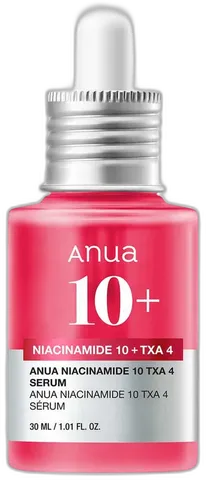 10%Anua Niacinamide 10% + TXA 4% Serum
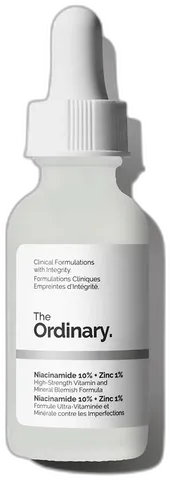 10%The Ordinary Niacinamide 10% + Zinc 1%
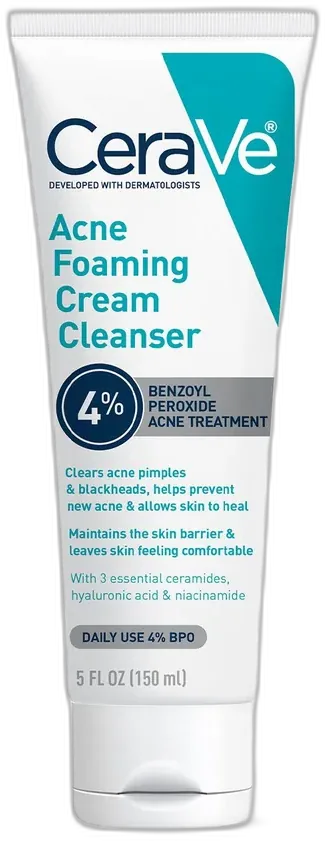 13th of 28CeraVe Acne Foaming Cream Cleanser
 7th of 40Round Lab Birch Juice Moisturizing Sun Cream
 5th of 26Medicube Collagen Night Wrapping Mask
 7th of 13Cetaphil Daily Facial Cleanser
 5th of 35La Roche-Posay Effaclar Duo+ M
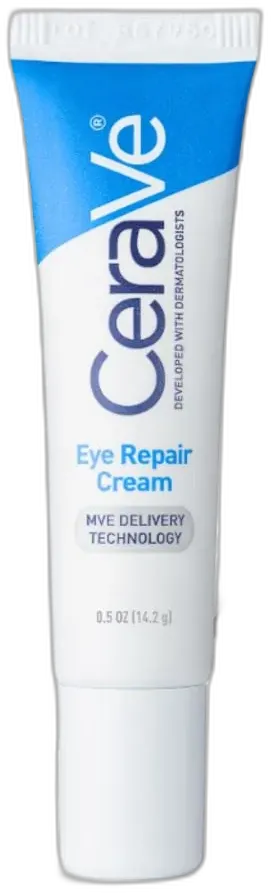 2nd of 41CeraVe Eye Repair Cream
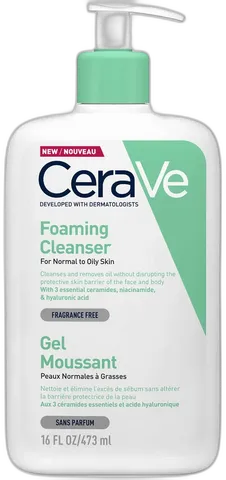 7th of 25CeraVe Foaming Facial Cleanser
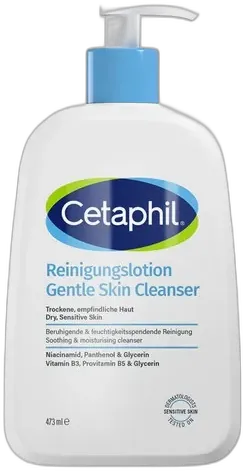 5th of 10Cetaphil Gentle Skin Cleanser
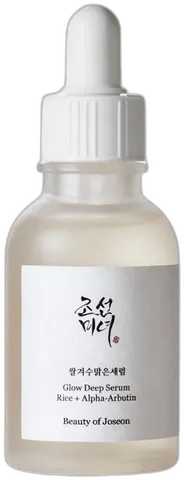 8th of 32Beauty of Joseon Glow Deep Serum
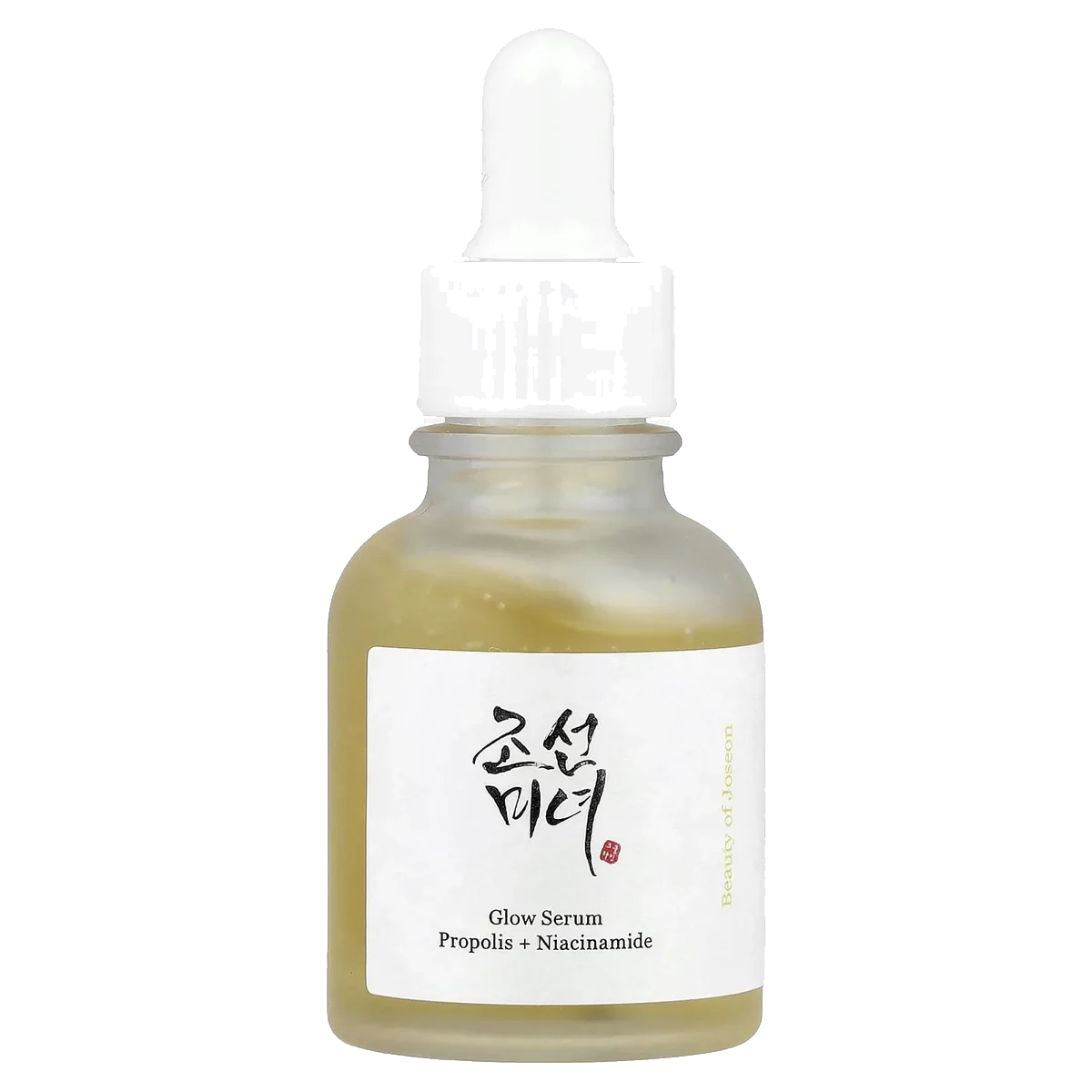 6th of 30Beauty of Joseon Glow Serum: Propolis + Niacinamide
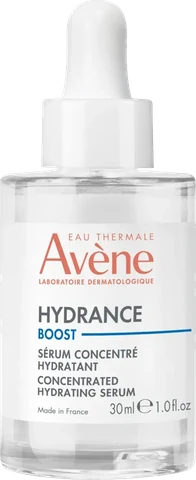 7th of 17Avène Hydrance BOOST Concentrated Hydrating Serum
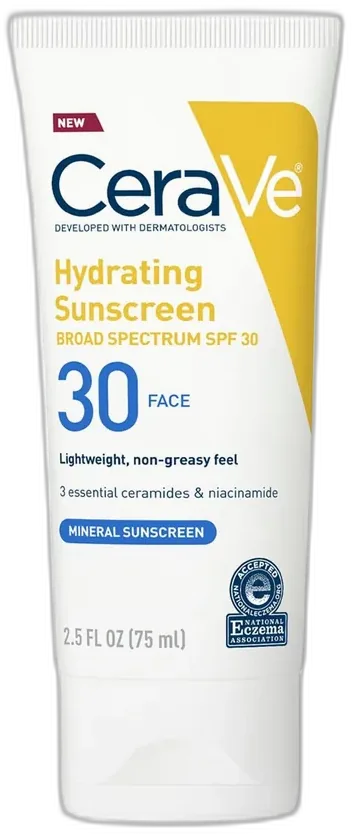 15th of 44CeraVe Hydrating Mineral Sunscreen Face Lotion SPF 30
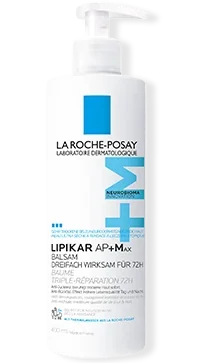 5th of 28La Roche-Posay Lipikar Baume AP+MAX
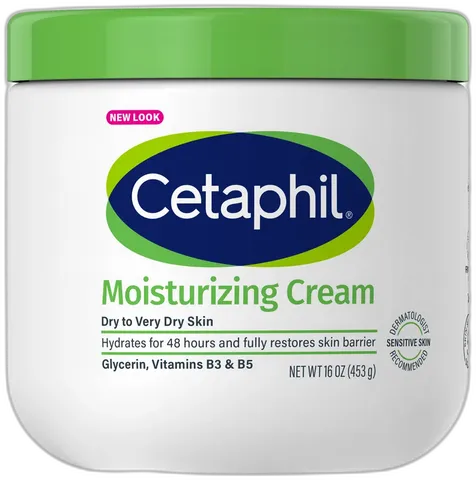 11th of 25Cetaphil Moisturizing Cream
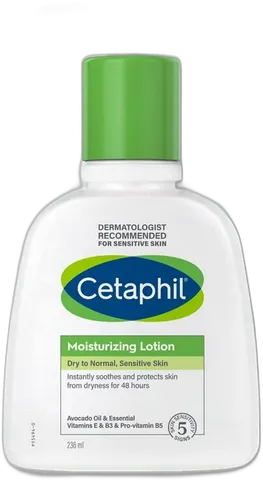 7th of 16Cetaphil Moisturizing Lotion
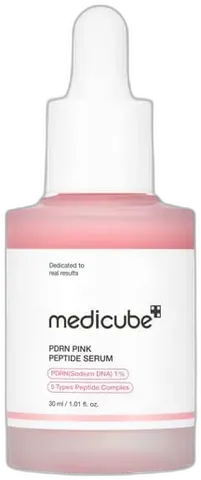 3rd of 40Medicube PDRN Pink Peptide Serum
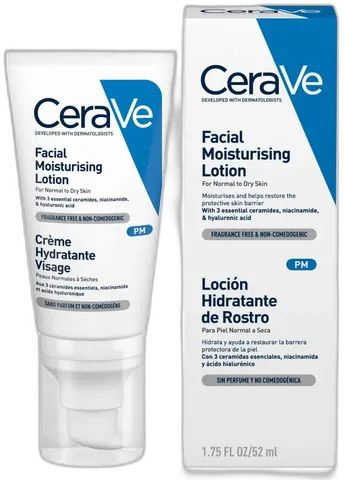 4th of 24CeraVe PM Facial Moisturizing Lotion
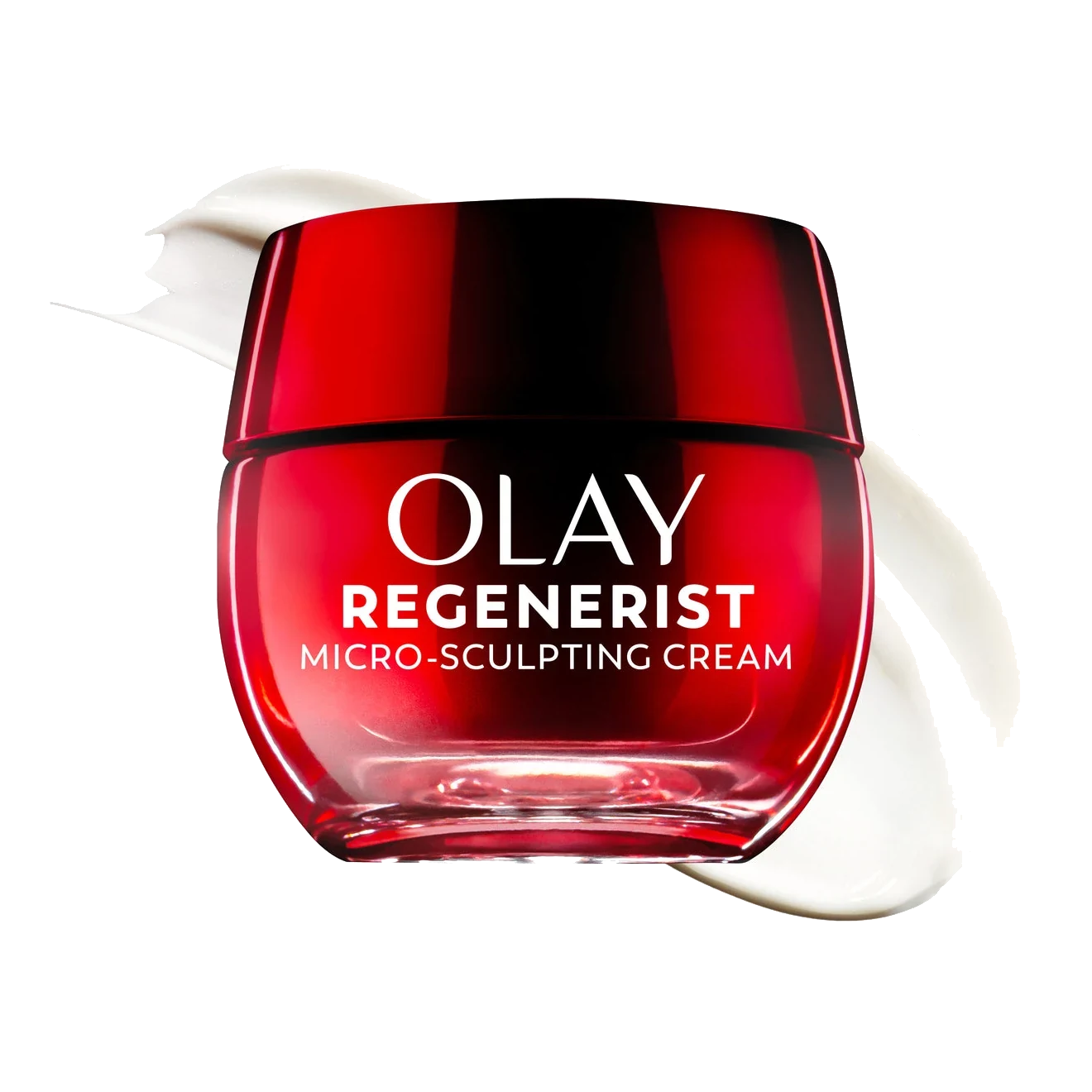 5th of 30OLAY Regenerist Micro-Sculpting Cream (US formula)
 8th of 42Beauty of Joseon Relief Sun: Rice + Probiotics SPF50+
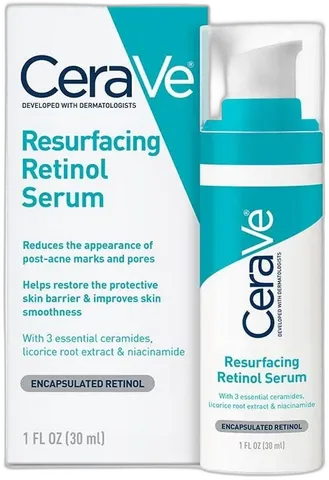 5th of 33CeraVe Resurfacing Retinol Serum
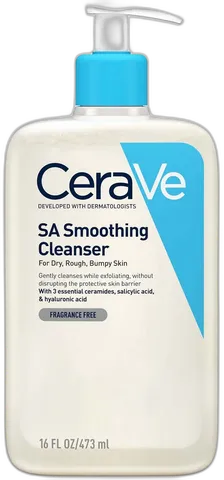 5th of 24CeraVe SA Smoothing Cleanser
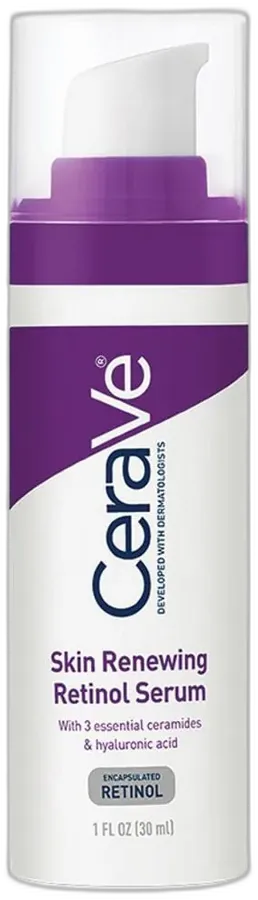 15th of 37CeraVe Skin Renewing Retinol Serum
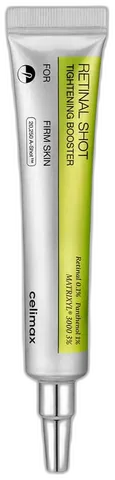 6th of 32Celimax The Vita A Retinal Shot Tightening Booster
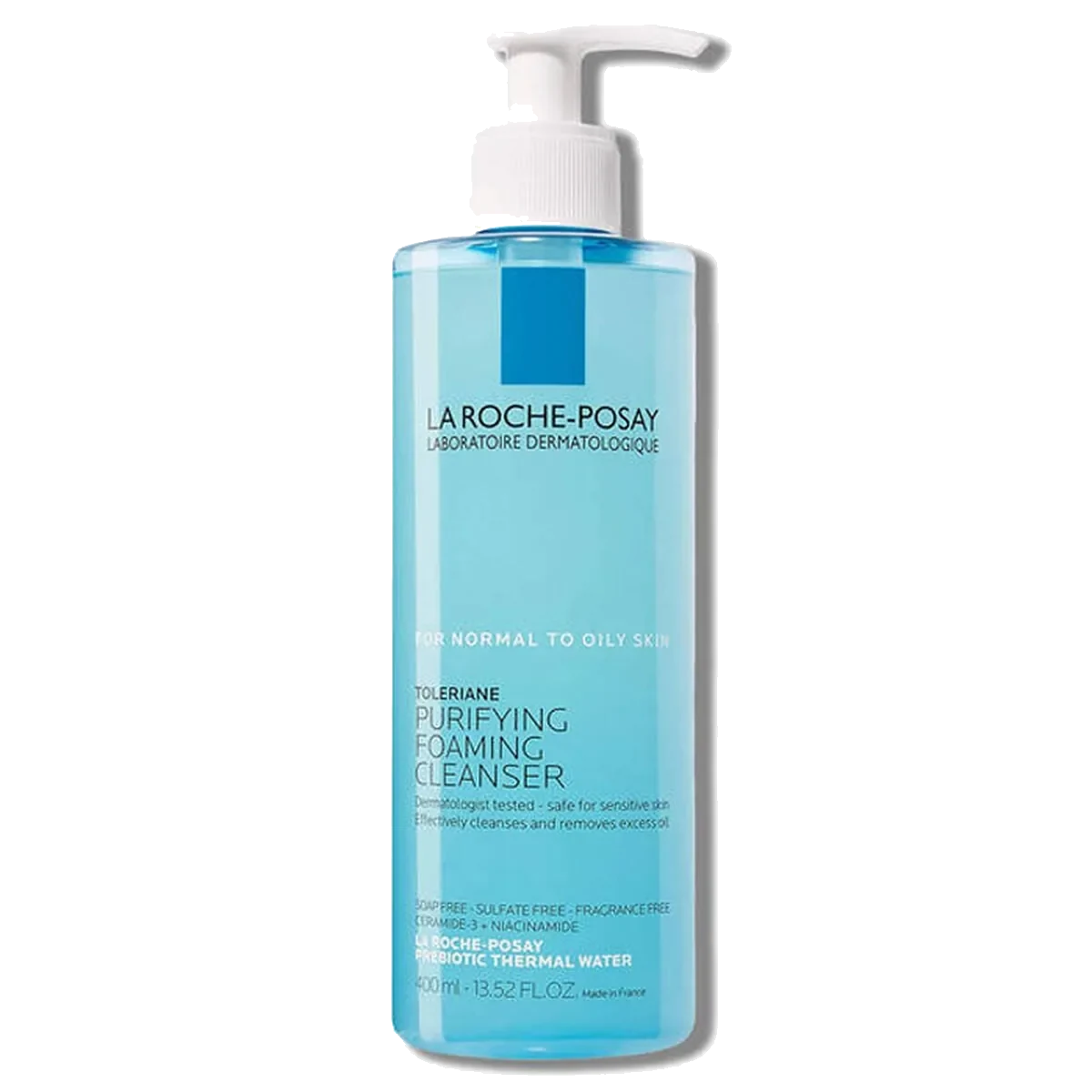 9th of 15La Roche-Posay Toleriane Purifying Foaming Cleanser
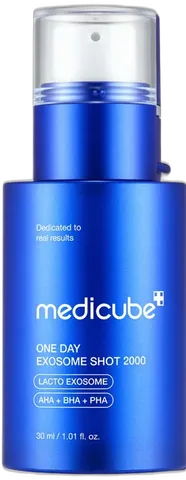 6th of 27Medicube Zero Exosome Shot 2000
2 labels declare a percentage on the name, read against the trials:
- Anua Niacinamide 10% + TXA 4% SerumNiacinamide is declared at 10%: above the 2% the trials used.
- The Ordinary Niacinamide 10% + Zinc 1%Niacinamide is declared at 10%: above the 2% the trials used.
25 labels carry it without a number, so the position is all there is:
- CeraVe Acne Foaming Cream CleanserNiacinamide sits 13th of 28, below the 1% line; the label does not say how much, and the trials worked from 2%.
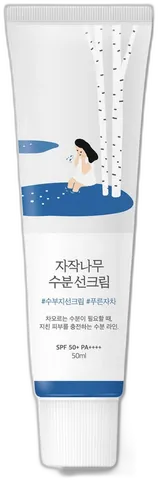
- Round Lab Birch Juice Moisturizing Sun CreamNiacinamide sits 7th of 40, above the 1% line; the label does not say how much, and the trials worked from 2%.
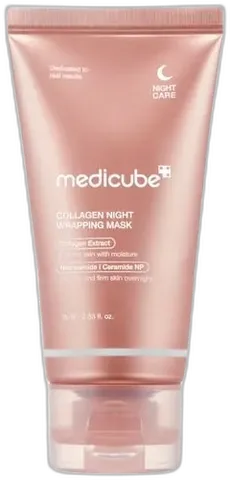
- Medicube Collagen Night Wrapping MaskNiacinamide sits 5th of 26, above the 1% line; the label does not say how much, and the trials worked from 2%.
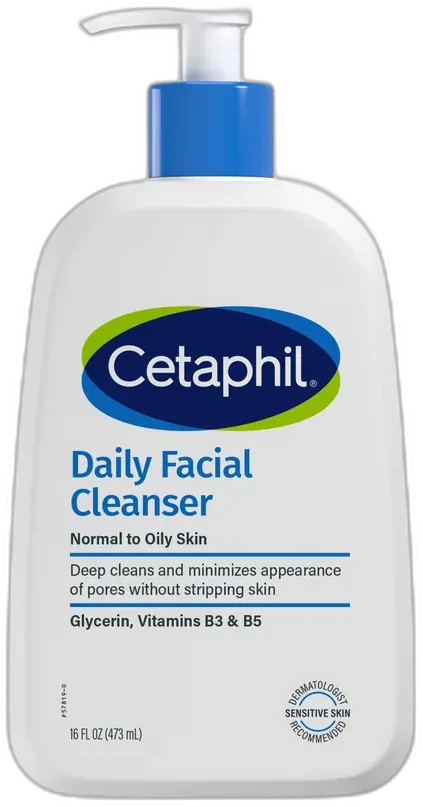
- Cetaphil Daily Facial CleanserNiacinamide sits 7th of 13, above the 1% line; the label does not say how much, and the trials worked from 2%.
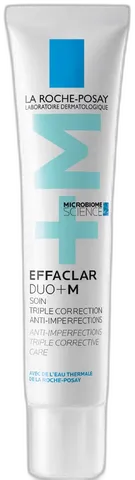
- La Roche-Posay Effaclar Duo+ MNiacinamide sits 5th of 35, above the 1% line; the label does not say how much, and the trials worked from 2%.
- CeraVe Eye Repair CreamNiacinamide sits 2nd of 41, above the 1% line; the label does not say how much, and the trials worked from 2%.
- CeraVe Foaming Facial CleanserNiacinamide sits 7th of 25, above the 1% line; the label does not say how much, and the trials worked from 2%.
- Cetaphil Gentle Skin CleanserNiacinamide sits 5th of 10, above the 1% line; the label does not say how much, and the trials worked from 2%.
- Beauty of Joseon Glow Deep SerumNiacinamide sits 8th of 32, above the 1% line; the label does not say how much, and the trials worked from 2%.
- Beauty of Joseon Glow Serum: Propolis + NiacinamideNiacinamide sits 6th of 30, above the 1% line; the label does not say how much, and the trials worked from 2%.
- Avène Hydrance BOOST Concentrated Hydrating SerumNiacinamide sits 7th of 17, above the 1% line; the label does not say how much, and the trials worked from 2%.
- CeraVe Hydrating Mineral Sunscreen Face Lotion SPF 30Niacinamide sits 15th of 44, above the 1% line; the label does not say how much, and the trials worked from 2%.
- La Roche-Posay Lipikar Baume AP+MAXNiacinamide sits 5th of 28, above the 1% line; the label does not say how much, and the trials worked from 2%.
- Cetaphil Moisturizing CreamNiacinamide sits 11th of 25, above the 1% line; the label does not say how much, and the trials worked from 2%.
- Cetaphil Moisturizing LotionNiacinamide sits 7th of 16, above the 1% line; the label does not say how much, and the trials worked from 2%.
- Medicube PDRN Pink Peptide SerumNiacinamide sits 3rd of 40; the label does not say how much, and the trials worked from 2%.
- CeraVe PM Facial Moisturizing LotionNiacinamide sits 4th of 24, above the 1% line; the label does not say how much, and the trials worked from 2%.
- OLAY Regenerist Micro-Sculpting Cream (US formula)Niacinamide sits 5th of 30, above the 1% line; the label does not say how much, and the trials worked from 2%.
- Beauty of Joseon Relief Sun: Rice + Probiotics SPF50+Niacinamide sits 8th of 42, above the 1% line; the label does not say how much, and the trials worked from 2%.
- CeraVe Resurfacing Retinol SerumNiacinamide sits 5th of 33, above the 1% line; the label does not say how much, and the trials worked from 2%.
- CeraVe SA Smoothing CleanserNiacinamide sits 5th of 24, above the 1% line; the label does not say how much, and the trials worked from 2%.
- CeraVe Skin Renewing Retinol SerumNiacinamide sits 15th of 37, below the 1% line; the label does not say how much, and the trials worked from 2%.
- Celimax The Vita A Retinal Shot Tightening BoosterNiacinamide sits 6th of 32, above the 1% line; the label does not say how much, and the trials worked from 2%.
- La Roche-Posay Toleriane Purifying Foaming CleanserNiacinamide sits 9th of 15, above the 1% line; the label does not say how much, and the trials worked from 2%.
- Medicube Zero Exosome Shot 2000Niacinamide sits 6th of 27, above the 1% line; the label does not say how much, and the trials worked from 2%.
Read on
- Niacinamide: the glossary page what it does, who it suits, where it fits
- Niacinamide vs Vitamin C (LAA)
- Niacinamide vs Retinol
- Niacinamide vs Retinal
- Niacinamide vs Hydroxypinacolone Retinoate
- Niacinamide vs Retinyl Palmitate
- Niacinamide vs Retinyl Acetate
Other actives with a dose the trials pinned:
- Vitamin C (LAA) 5%+
- Retinol 0.075 to 0.3%
- Salicylic acid (BHA) 0.5%+
- Lactic acid 8%+
- Glycolic acid 5%+
- Retinal 0.05 to 0.1%
- Retinyl Retinoate 0.06%+
- Tretinoin 0.025%+
- Adapalene 0.1%+
- Tazarotene 0.045%+
- Azelaic Acid 15%+
- THD Ascorbate 1%+
- Sodium Ascorbyl Phosphate 5%+
- Palmitoyl Pentapeptide-4 0.0003%+
- Caffeine 2%+
- Benzoyl Peroxide 2.5 to 5%
- Tea Tree Oil 5%+
- Hydroquinone 4%+
- Bifida Ferment Lysate 10%+
- Thiamidol 0.2%+
- Cysteamine 5%+
- Menthol 0.1 to 5%
- Peppermint Oil 0.5%+
- N-Acetyl Glucosamine 2%+
- Alpha Lipoic Acid 5%+
- Ammonium lactate 12%+
- Acetylated Hyaluronic Acid 0.1%+
- 4-n-Butylresorcinol 0.1%+
- 4-t-Butylcyclohexanol 0.4%+
- Sphingomonas Ferment Extract 2%+